Director-General’s Desk | US Coast Guard Pacific Commander visits FFA Headquarters
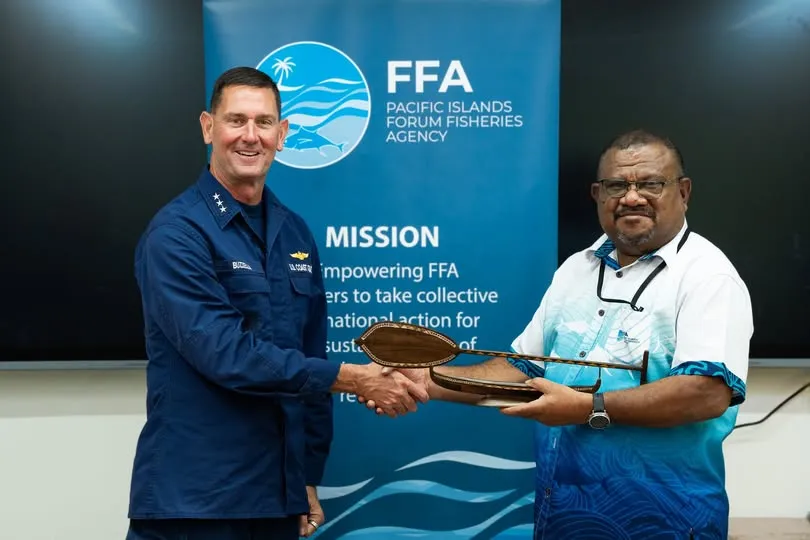
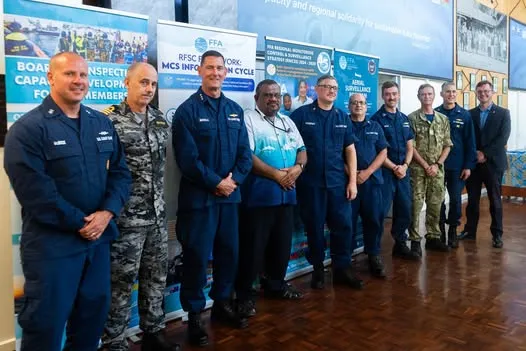
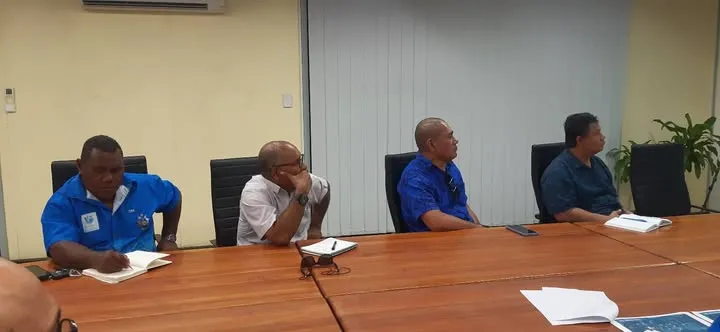
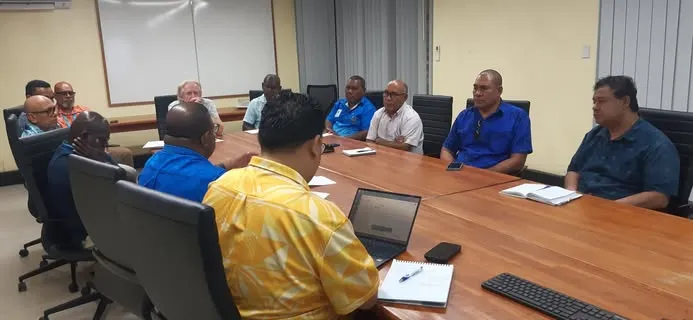
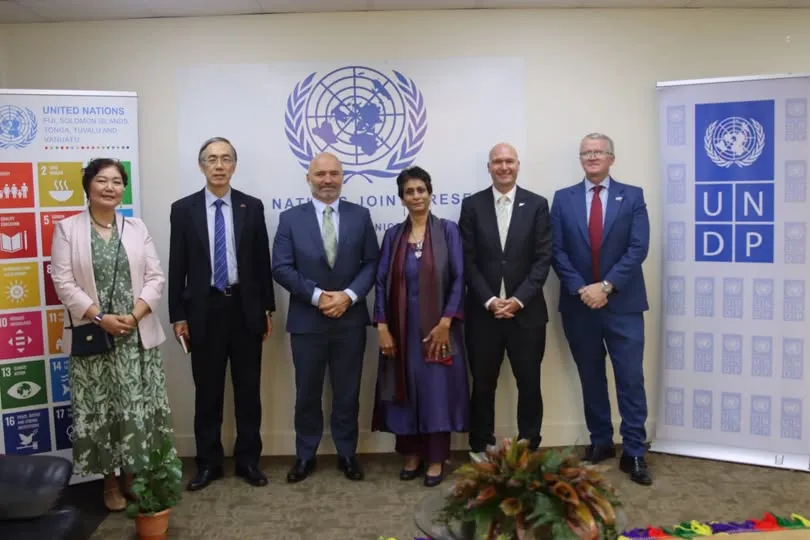
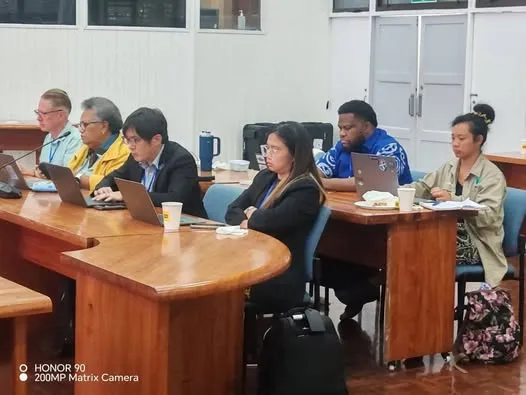
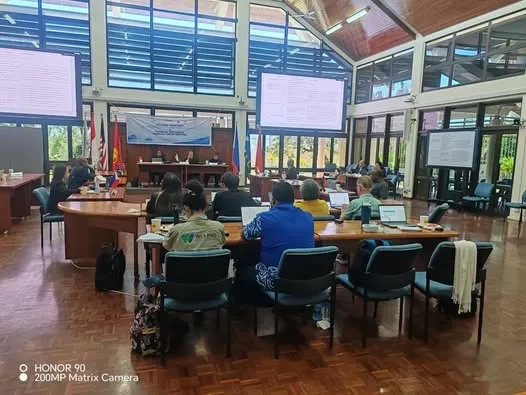
FFA today welcomed United States Coast Guard Pacific Area Commander, Vice Admiral Joseph R. Buzzella, to its Headquarters in Honiara.
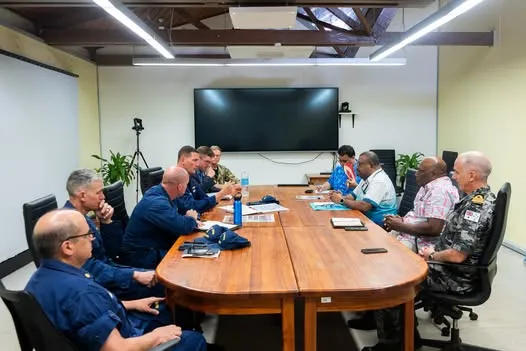
FFA Director-General Noan David Pakop briefed Vice Admiral Buzzella on FFA’s mandate to support its 17 Members in the sustainable management and protection of their offshore fisheries resources, including the Agency’s role in coordinating regional fisheries surveillance and facilitating information and intelligence sharing to support national enforcement efforts.
The Director-General highlighted that support from partners such as the US strengthens the capacity of FFA Members to combat illegal, unreported and unregulated (IUU) fishing. He also noted that regional fisheries surveillance increasingly contributes to broader maritime domain awareness, helping Members respond to transnational organised crime, illicit drug trafficking and other maritime security threats.
Discussions also covered the changing nature of with greater risks now linked to unreported fishing activity and misreporting, rather than unlicensed fishing or fishing in unregulated areas.
Mr Pakop also outlined FFA’s proposal for a new Regional Fisheries Surveillance Centre (RFSC) facility, a project for which the Agency is currently seeking partner support. He highlighted the proposed facility’s role as a future hub for regional and international cooperation, with the additional space and capability needed to support FFA’s expanding regional surveillance operations, partnerships and information-sharing activities.
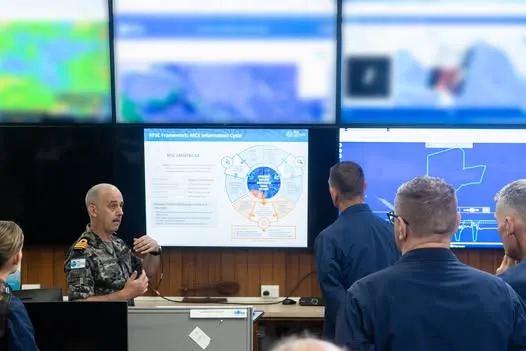
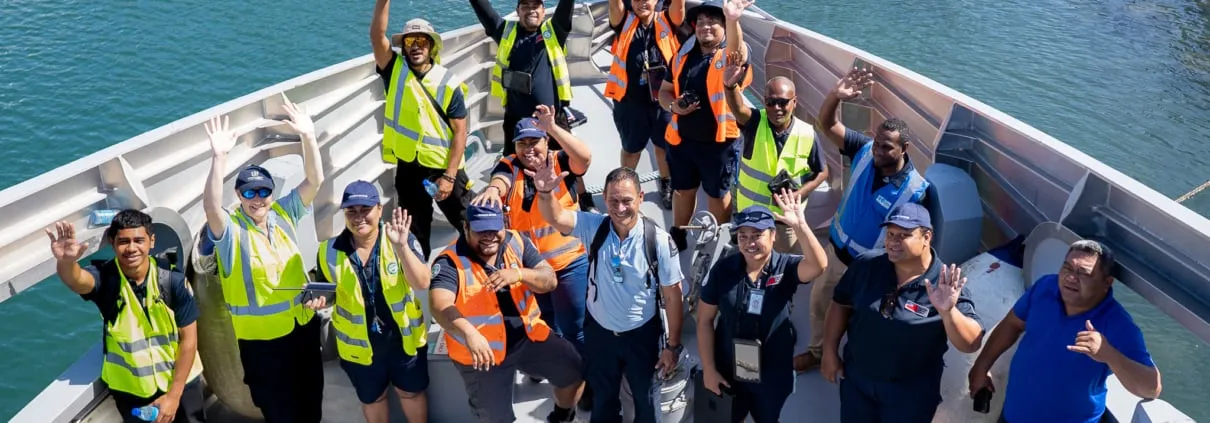
Vice Admiral Buzzella was given a tour of the RFSC, where he observed the Centre’s operations.
Vice Admiral Buzzella provided an update on the recent signing of the Shiprider Agreement between the US and Solomon Islands, noting that it will assist Solomon Islands in protecting and enforcing its sovereign rights within its exclusive economic zone.
He reaffirmed the United States’ commitment to supporting Pacific Island countries in their efforts to deter and respond to IUU fishing and acknowledged the importance of fisheries to the region’s economies.
The United States is one of FFA's Pacific QUAD partners, alongside Australia, New Zealand and France. The Pacific QUADs work closely with FFA to support Pacific Island countries through aerial surveillance, maritime patrols, intelligence analysis and other operational assistance to combat illegal, unreported and unregulated (IUU) fishing.
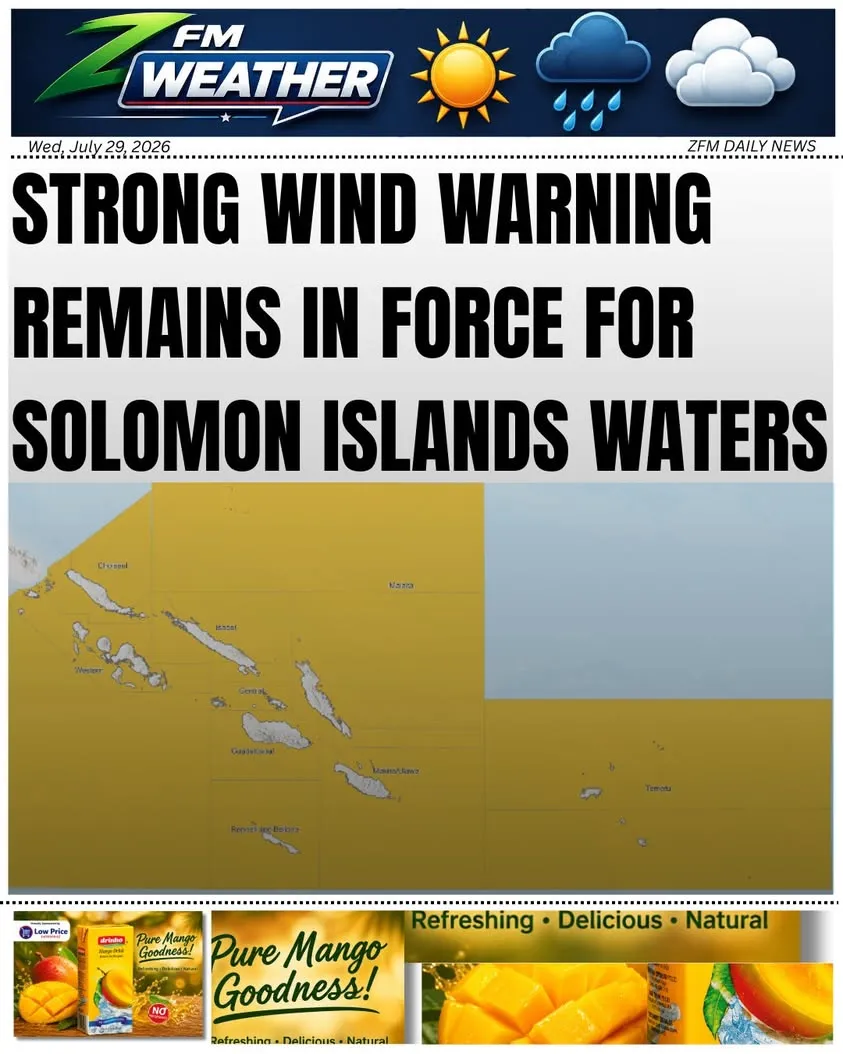
Strong Wind Warning Remains in Force Across Solomon Islands Waters
The Solomon Islands Meteorological Service (SIMS) has maintained its Strong Wind Warning for all waters of Solomon Islands, with hazardous marine conditions expected to continue.
In Warning Number 108, issued at 7:00am today, Wednesday, 29 July 2026, SIMS said a trough lies north of the country while a general southeast trade wind flow continues to affect the islands.
Southeasterly winds of 15 to 25 knots are expected across all Solomon Islands waters. Seas are forecast to be moderate to rough, with southeast swells reaching up to 2.5 metres.
Poor visibility is also expected in areas affected by showers and thunderstorms.
The Meteorological Service is urging the public to take precautionary measures, warning that the strong winds could impact lives and property.
Sea travellers, particularly those operating small boats, are advised to exercise extreme caution as dangerous wave conditions may pose a serious risk.
SIMS has also encouraged the public to share the warning with people living with disabilities.
The next Strong Wind Warning is scheduled to be issued at 4:00pm today.
🐋 What can the Pacific teach the world about leadership, resilience and our shared future?
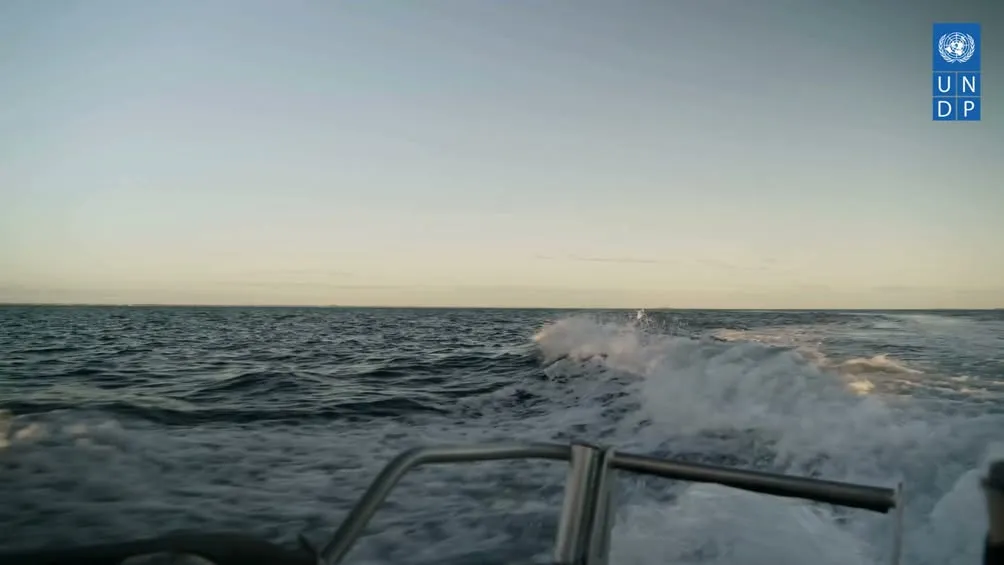
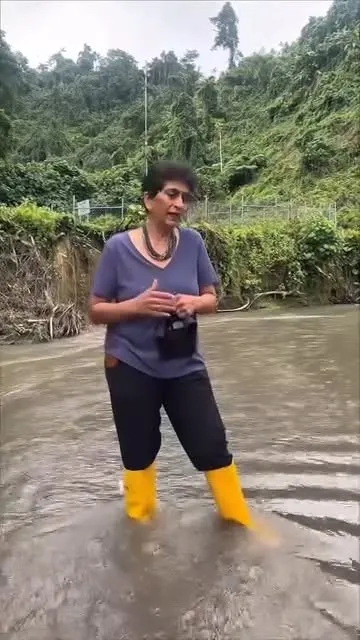
During a visit to the Kingdom of Tonga 🇹🇴, United Nations Assistant Secretary-General and UNDP in Asia and the Pacific Regional Director, Kanni Wignaraja, joined a whale watching expedition and took a moment to reflect on the extraordinary connection between people, nature and the ocean that unites the Blue Pacific.
Against the backdrop of one of the world's great whale migration routes, she shares why Pacific voices matter on the global stage, and why climate action, ocean stewardship and sustainable development are inseparable from the future of communities across the region.
🎥 Watch the full video here 👇
United Nations Development Programme - UNDP
🏦Director-General’s Desk | FFA hosts Solomon Islands Fisheries Minister Hon. Polycarp Paea
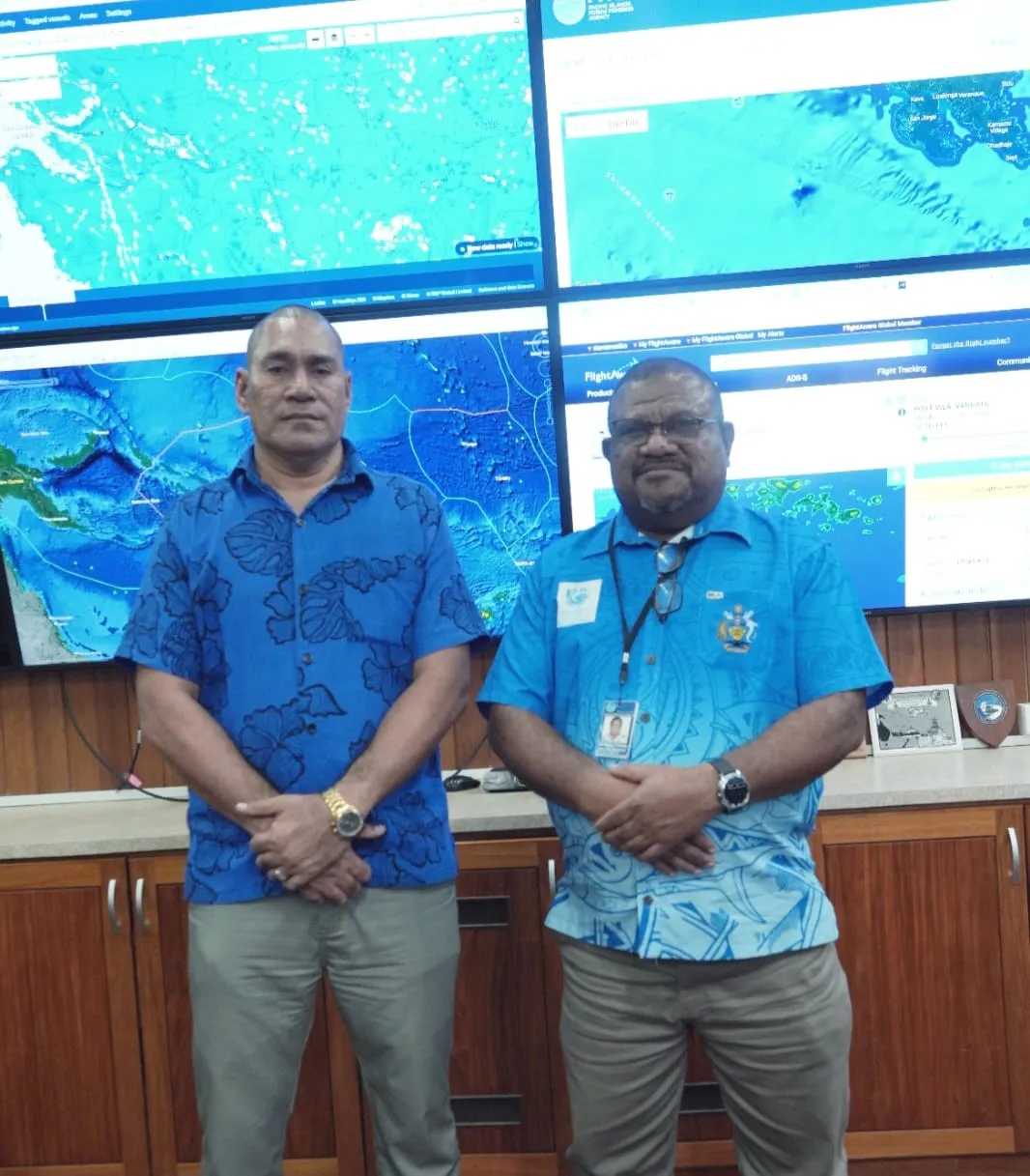
FFA Director-General Noan David Pakop welcomed the Solomon Islands Minister of Fisheries and Marine Resources, Honourable Polycarp Paea, to the FFA Headquarters in Honiara yesterday for a courtesy visit.
The visit provided an opportunity to discuss the Agency's regional work and the support it provides to its Members in strengthening the sustainable management of tuna fisheries.
The Minister commended FFA’s continued support in building regional capacities and advancing development aspirations of its Members. He also highlighted the important role of fisheries value adding, through the East New Britain Initiative, can play in creating livelihood opportunities, retaining greater economic benefits within the region, and strengthening the economic independence of Pacific peoples.
During the visit, the Minister and his delegation toured the Regional Fisheries Surveillance Centre (RFSC), where they received an overview of FFA's regional fisheries monitoring, control and surveillance work, and the collaborative efforts that help protect the Pacific's tuna resources from illegal, unreported and unregulated (IUU) fishing.
Hon. Polucarp Paea was accompanied by Permanent Secretary Dr Christian Ramofafia, Deputy Secretary Technical Mr James Teri, Deputy Secretary Corporate Services Mr Patteson Lusi, and Fisheries Director Mr Edward Honiwala.
The courtesy visit provided an opportunity to strengthen engagement and deepen the Minister's understanding of FFA's work, while highlighting the benefits that Solomon Islands receive through regional cooperation and collective fisheries management.
| Building a Sustainable Future for a Pacific Lifeline
South Pacific albacore is one of the Pacific's most valuable tuna resources, supporting livelihoods, food security, and economic growth across the region.
In December 2025, FFA Members achieved a historic milestone with the adoption of the South Pacific Albacore Management Procedure, the first long-term, science-based harvest strategy for this important fishery.
As work continues on the Implementing Arrangements, Pacific countries remain committed to turning this landmark agreement into practical action that will safeguard the resource for future generations.
Read the full feature story here ⤵️
https://www.ffa.int/2026/07/south-pacific-albacore-building-a-sustainable-future-for-a-pacific-lifeline/
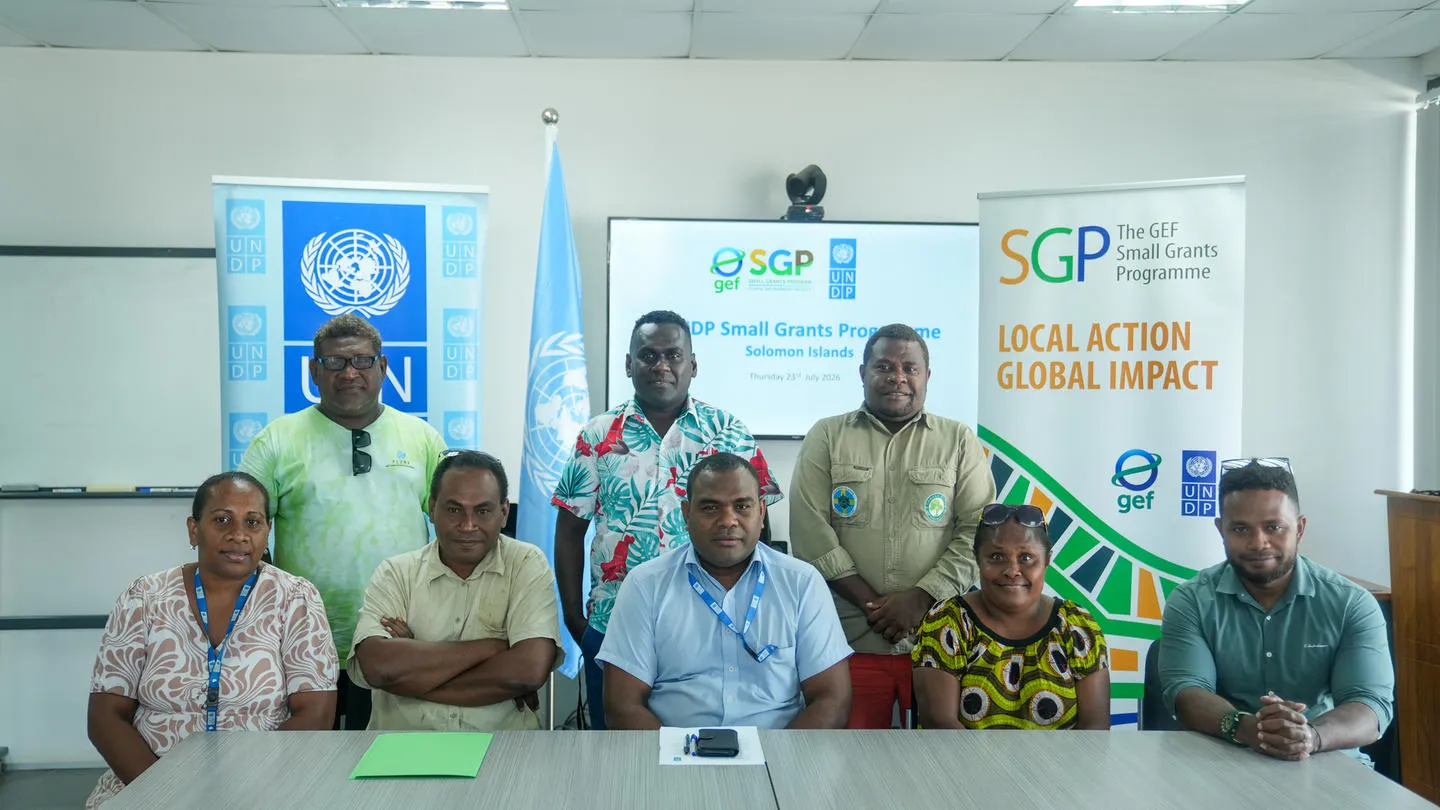
Honiara, Solomon Islands — Five community organisations from across Solomon Islands have received support through the Global Environment Facility Small Grants Programme (GEF SGP), implemented by the UN Development Programme (UNDP), to advance locally led environmental initiatives.
Grant agreements signed in Honiara in July 2026 will enable communities to pursue projects that respond directly to local priorities while strengthening environmental stewardship and livelihoods.
The low-value grants (LVGs), totalling more than USD100,000 across the five recipients, will help bridge critical funding gaps by supporting a range of community-led conservation initiatives, including protected area planning, coral reef rehabilitation and sustainable agriculture.
“These grants should be seen as an investment in communities, people and the environment,” said Solomon Kalu, Programme Specialist at UNDP in Solomon Islands. “UNDP’s role is not only to facilitate this support, but also to work alongside communities so these investments deliver lasting environmental and social benefits.”
For three of the five grantees, the funding represents an important step towards securing formal protection for forests that communities have long managed and depended on.
Under Solomon Islands’ Protected Areas Act 2010, communities seeking formal protected area status must complete a series of technical and planning requirements, including baseline studies and management planning. These processes are often beyond the financial reach of rural communities despite strong local commitment to conservation, yet the goal extends beyond protecting forests.
Formal protected area status strengthens the role of customary landowners and communities in managing natural resources, helping to ensure conservation decisions remain in local hands while creating stronger safeguards against unsustainable activities.
One of those communities is the Kogala Tribe Forest Conservation Association (KTFCA) in East Guadalcanal.
“This application is not simply an environment project but an opportunity for our community to take greater responsibility for protecting resources for future generations,” said Justin Ron, Coordinator of KTFCA.
Through the LVG, KTFCA also plans to build a facility that will serve as an operational hub for coordinating conservation initiatives, accommodating visiting researchers and partners, and supporting sustainable local livelihoods.
Another project, led by the Tookina Tribal Land Conservation Association in East Are’are, Malaita Province, will establish a training centre where women and youth can develop sustainable farming skills and improve local livelihoods through environmentally responsible agricultural practices.
The diversity of the projects reflects the programme’s community-driven approach, with successful applicants identifying priorities based on local needs. Several grantees said they first learned about the funding opportunity through the programme’s outreach on social media, local networks and civil society organisations, highlighting the importance of making environmental financing accessible to communities across the country.
“This support gives our community the opportunity to move from planning to action,” said Shoghi Waikiru, Secretary of the Wa’aoho Community Conservation Association. “It allows us to complete the work needed to protect our forest while ensuring future generations continue to benefit from the resources we depend on.”
The GEF SGP supports community-led initiatives that address global environmental challenges by providing grants to civil society and community-based organisations through a decentralised country-level delivery mechanism, with a focus on women, Indigenous Peoples, youth and persons with disabilities.
For more information please contact:
Teiba Mamu | SGP National Coordinator, UNDP in Solomon Islands | teiba.mamu@undp.org
Fiji 🇫🇯 continues to lead on issues that matter to the Pacific, and the world.
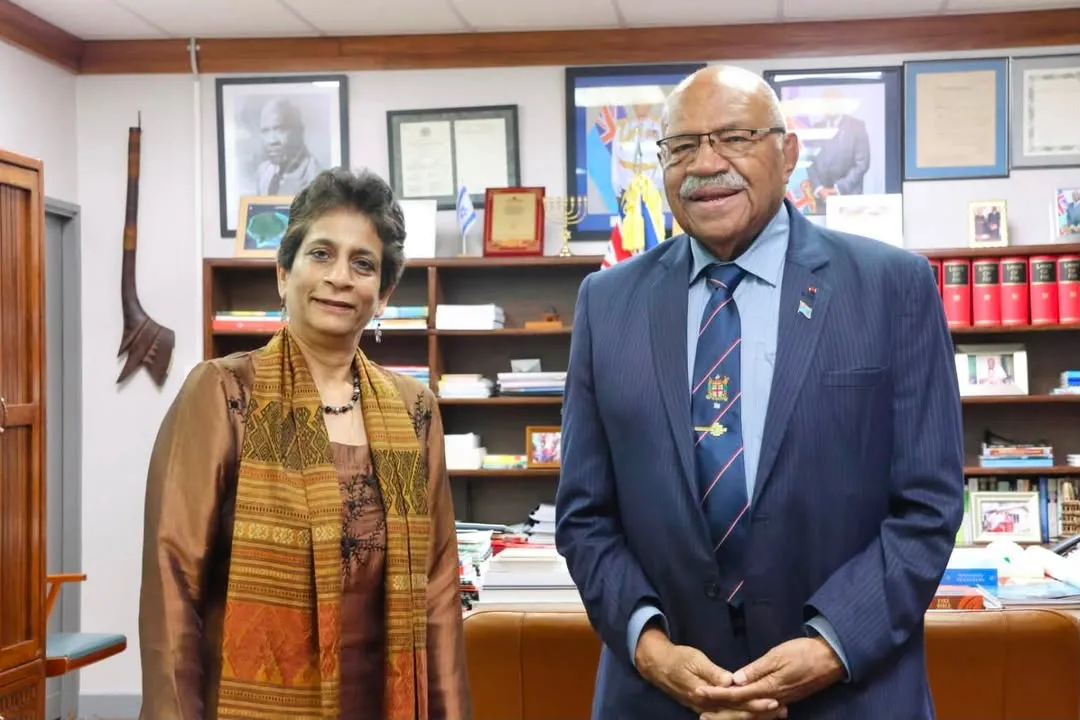
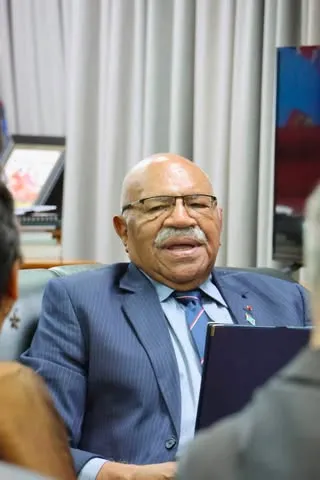
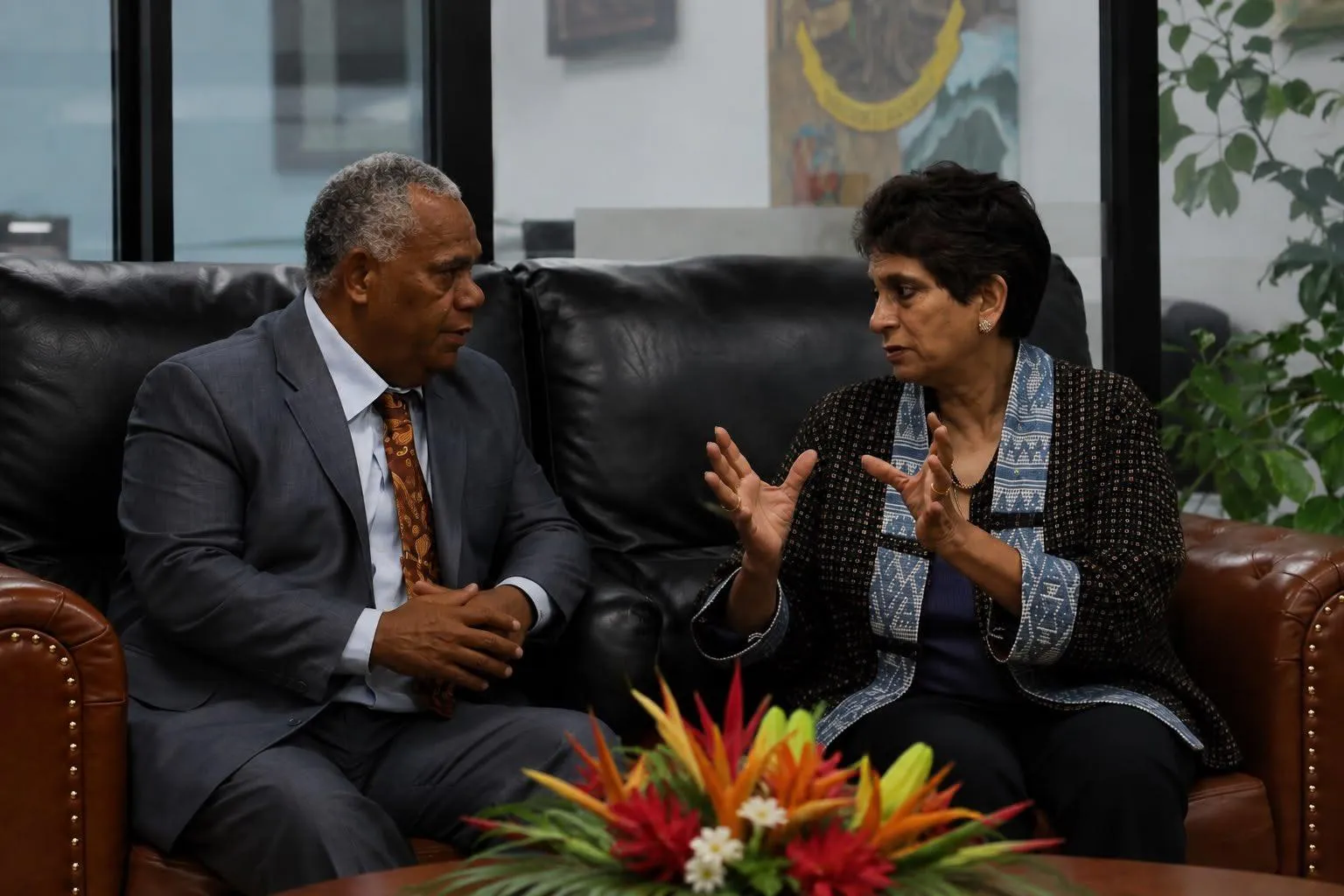
Today, United Nations Assistant Secretary-General and UNDP in Asia and the Pacific Regional Director Kanni Wignaraja met with Prime Minister, Hon. Sitiveni Rabuka, to discuss shared priorities for climate resilience, sustainable development and regional cooperation.
Together, we reaffirmed the value of strong partnerships in advancing a more resilient, inclusive and prosperous Blue Pacific.
Fiji Government.
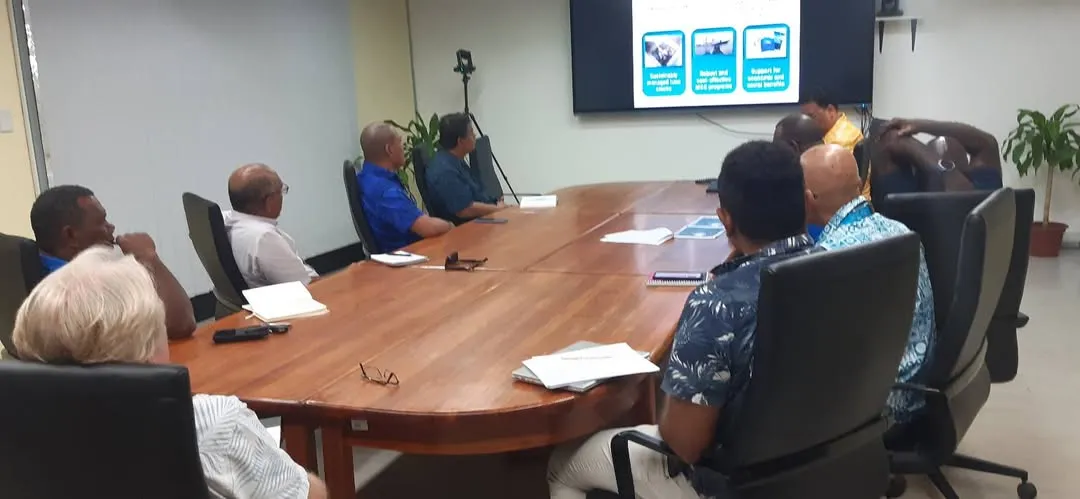
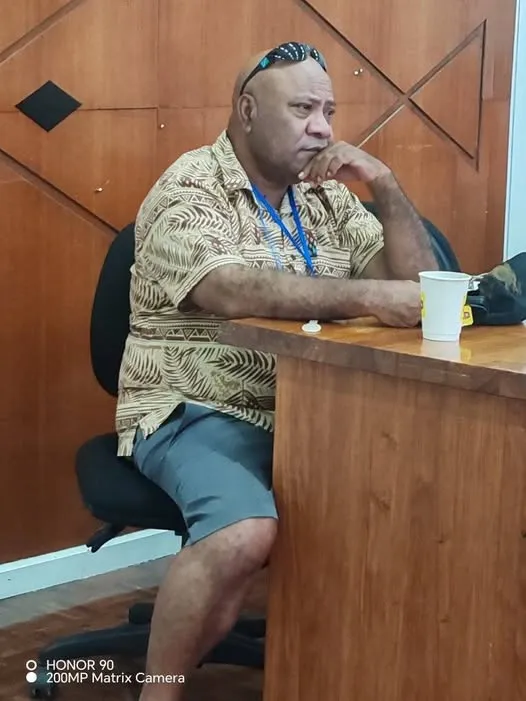
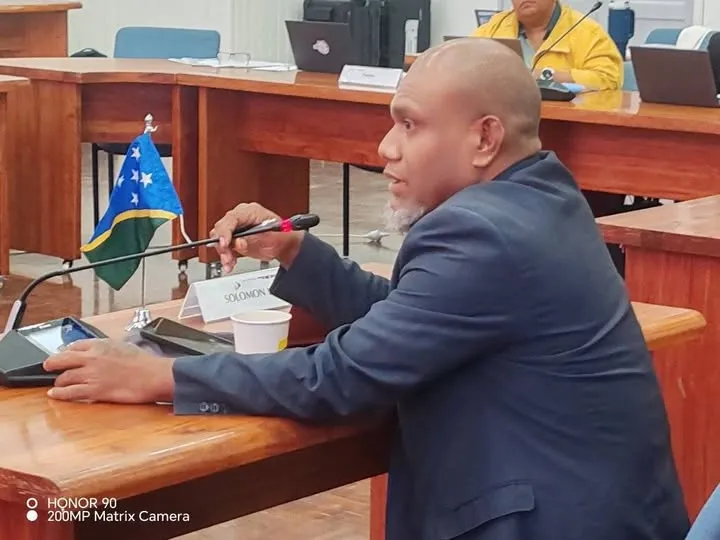
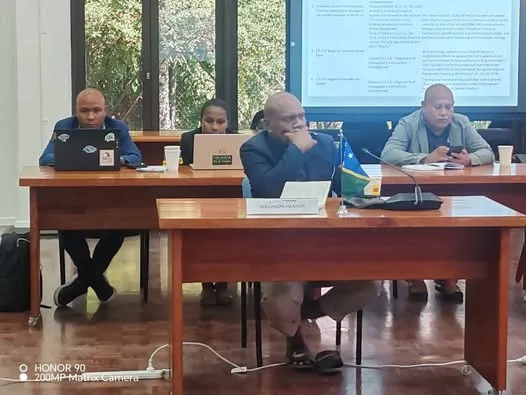
Fisheries Minister, Hon Polycarp Paea, this afternoon paid a visit to Forum Fisheries Agency Secretariat to familirise himself with this regional body.
He is accompanied by Permanent Secretary Dr Christain Ramofafia, Deputy Secretary Technical Mr James Teri, Deputy Secretary Corporate Services Mr Patteson Lusi and Fisheries Director Mr Edward Honiwala
A brief presentation by the Director General of FFA Mr Noan Parkop kicked start the engagement.
This visit will enable the minister to fully understand the work of FFA in the region and also the benefits member countries including Solomon Islands receive from the regional body.
渔业部长Hon Polycarp Paea今天下午访问了论坛渔业机构(FFA)秘书处,以便熟悉这个区域机构。
他随行的有常务秘书Dr Christain Ramofafia、副秘书技术部Mr James Teri、副秘书企业服务部Mr Patteson Lusi和渔业局局长Mr Edward Honiwala。
FFA总干事Mr Noan Parkop的简要介绍开启了此次交流。
此次访问将使部长能够全面了解FFA在该地区的工作,以及包括所罗门群岛在内的成员国从该区域机构获得的利益。
The Pacific Islands Forum Fisheries Agency (FFA) has released its 2024–2025 Annual Report, highlighting a year of strong regional cooperation, meaningful achievements and continued leadership in sustainable fisheries management across the Blue Pacific.
The report marks an important milestone for the Secretariat. It is the first Annual Report presented by Director-General Noan David Pakop and comes as FFA prepares to embark on a new Strategic Plan that will help shape its work over the next five years.
It also comes at a time when the Pacific is facing some of its biggest challenges – from climate change and changing tuna distribution to increasing pressure on ocean resources and a rapidly evolving geopolitical landscape.
Yet, if the past year has shown anything, it is that regional cooperation remains one of the Pacific’s greatest strengths.
FFA Director-General Noan David Pakop at the FFC Officials Meeting in Niue 2025. Photo: FFA
For almost five decades, FFA Members have shown what can be achieved when Pacific countries work together. That partnership has helped protect the world’s largest tuna fishery, strengthen the region’s influence in international fisheries management and deliver lasting benefits for Pacific people.
This past year was another reminder of what that cooperation can achieve.
The Pacific’s four key tuna stocks remain healthy, with Members continuing to make important decisions that will protect them well into the future. New Target Reference Points for Skipjack and South Pacific Albacore were adopted, while work continued on harvest strategies for Bigeye and Yellowfin tuna. Behind those technical decisions is something much simpler – the shared responsibility of ensuring Pacific tuna continues to support future generations.
Pacific Power: A 20-Year Journey of Regional Leadership in Tuna Fisheries
But healthy tuna stocks are only part of the story.
As Director-General Noan David Pakop reflects in his first Annual Report, the next challenge is making sure the benefits from those fisheries stay in the Pacific. While the Pacific region supplies more than half of the world’s tuna, much of its value is still realised elsewhere. Creating more jobs, attracting investment and growing local industries are now just as important as protecting the resource itself.
That thinking is already shaping FFA’s work.
Across the region, Members continued strengthening market access, improving labour standards and supporting initiatives that encourage more value-added processing and investment. The East New Britain Initiative (ENBi) is one example of that shift – looking beyond fisheries management to how tuna can create broader economic opportunities for Pacific communities.
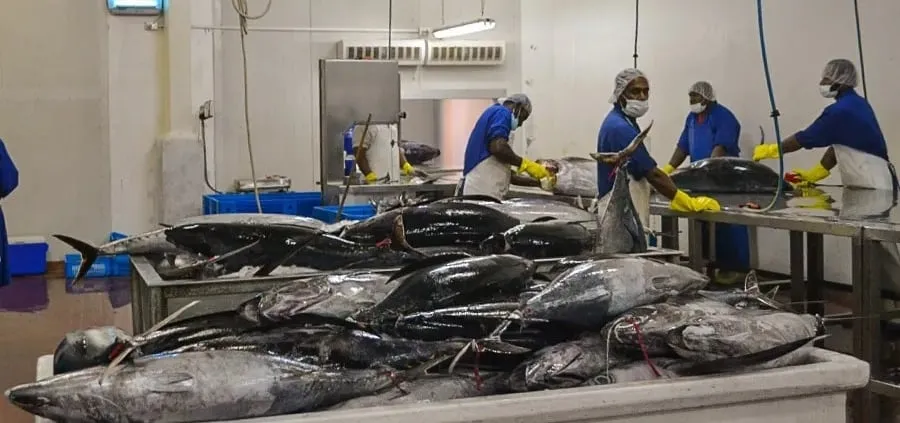
Tuna offloaded from an NFD vessel and directly onto SolTuna’s processing line. Photo: FFA
The year also saw continued progress in protecting the region’s fisheries.
Regional surveillance operations remained a cornerstone of FFA’s work, supported by new technologies such as the Electronic Port State Measures system and the Electronic Vessel Register. Together with stronger national legislation and closer cooperation between Members, these efforts have helped reduce the impact of illegal, unreported and unregulated fishing across the Pacific.
Much of this work happens behind the scenes. It is found in long hours at sea, in negotiations around regional meeting tables, in fisheries officers inspecting vessels, and in the technical advice provided to Members every day. During the reporting period alone, FFA delivered more than 300 Member support activities covering legal advice, fisheries management, monitoring, surveillance, investment and capacity building. These may not always make headlines, but they are essential to helping Members achieve their own national priorities.
Inside the Secretariat, there has also been a renewed focus on ensuring FFA remains fit for purpose.
The Independent Refresh and Performance Review, together with improvements to governance, systems and workforce capability, is helping build a more response, efficient and future-focussed organisation. Increased donor confidence, reflected in a 38 percent growth in funding, provides further recognition of that work.
FFA Director-General Noan David Pakop meets with Australia’s Minister for Defence Industry and Minister for Pacific. Photo: FFA
The year ahead will bring no shortage of challenges. Climate change will continue to reshape the region’s fisheries, competition for marine resources will grow and expectations from Members will continue to evolve.
But this Annual Report is also a reminder that FFA has never faced those challenges alone.
Its strength has always come from the willingness of Pacific countries to work together, share knowledge and speak with one voice. That spirit has shaped the Agency for nearly five decades and will continue to guide it as it begins its next chapter.
Ultimately, FFA’s success won’t be measured by the number of meetings held or policies developed. It will be measured by whether Pacific fisheries continue to create opportunities, strengthen livelihoods and improve the lives of Pacific people.
You can access the full report here – https://www.ffa.int/download/ffa-annual-report-2024-2025/
HONIARA, 27 JULY 2026
Media Contacts:
Emily V. Moli
FFA Communications Manager
e: emily.moli@ffa.int
Ernest Ta'asi
FFA Communications Officer
e: ernest.ta’asi@ffa.int
Priscilla Ragu
FFA Communications Officer
e: priscilla.ragu@ffa.int
About Pacific Islands Forum Fisheries Agency (FFA)
FFA assists its 17 Members to sustainably manage fishery resources that fall within their 200-mile Exclusive Economic Zones (EEZs). FFA provides expertise, technical assistance and other support to its members who make decisions about their tuna resources and participate in regional decision making on tuna management. Find out more here: www.ffa.int
BY BEN BILUA
Gizo
SAVE the Children Solomon Islands has officially launched the second phase of the Solomon Islands Endim Vaelens Againstem Pikinini (SIEVAP) project in Western Province, marking the beginning of a renewed five-year commitment to strengthen child protection across the country.
The launch was held at Imagination Island Resort and attended by officials from the Western Provincial Government, youth leaders, church representatives and community leaders.
The project is funded by the New Zealand Ministry of Foreign Affairs and Trade (MFAT) through its Negotiated Partnerships with Save the Children New Zealand, World Vision New Zealand and ChildFund New Zealand.
Speaking during the launch, Save the Children Solomon Islands Lead Advocacy Officer, Fredrick Seni, said the project is built on a simple but powerful understanding which is to address social norms that encourage violence against children.
He said the project will help advocate against forced marriage, early marriage, legal gaps and at the same time educate people.
Seni said addressing these issues requires both stronger legal frameworks and social change that empowers children, families and communities to become champions for children’s rights.
“Over the next five years, the project will work from the community level through to provincial and national governments to strengthen child protection systems, promote meaningful child participation and influence laws, policies and social norms affecting children’s lives.
“One of the project’s key priorities is strengthening the coalition of child protection organisations to improve coordination, generate evidence and advocate with one unified voice on child protection issues,” he said.
Seni said technical support will also be provided to the Law Reform Commission and the Attorney General’s Chambers to help strengthen child protection legislation, including reforms to establish 18 years as the minimum legal age of marriage across all legal frameworks.
He said the project will help communities align local by-laws with national legislation and educate the public about children’s rights, enabling communities to understand, accept and effectively implement legal reforms.
Seni emphasised that children must not only benefit from change but also play an active role in shaping new understanding.
“As part of this commitment, SIEVAP will strengthen children’s participation by establishing and supporting the National Child Participation Committee, facilitating dialogues between children and Members of Parliament, organising government-child roundtable discussions and enabling children and young people to participate in provincial, national and regional advocacy platforms,” he said.
Seni said community-based Child Advocacy Committees and youth groups will also receive training, mentoring and small grants to lead awareness campaigns and advocacy initiatives within their own communities.
He said these investments will equip children and young people with the confidence, knowledge and opportunities to influence decisions affecting their lives while challenging harmful attitudes and practices that place children at risk.
Seni said the project’s interconnected approach aims to create an enabling environment where stronger laws protect children, communities actively prevent violence and children and young people are recognised as valued partners in building a safer, more inclusive Solomon Islands.
The second phase of SIEVAP will be jointly implemented by Save the Children Solomon Islands, World Vision Solomon Islands and ChildFund Solomon Islands in partnership with government ministries, provincial governments, churches, communities and children themselves.
The programme will run from 2026 to 2031.
For feedback, contact: maetuana777@gmail.com
Editor: irwin3angiki@gmail.com
作者:本·比卢亚
吉佐
拯救儿童所罗门群岛(Save the Children Solomon Islands)正式启动了所罗门群岛儿童保护项目(Solomon Islands Endim Vaelens Againstem Pikinini,SIEVAP)第二阶段,标志着在全国范围内加强儿童保护的五年新承诺的开始。
启动仪式在想象岛度假村(Imagination Island Resort)举行,出席的有西部省政府官员、青年领袖、教会代表和社区领袖。
该项目由新西兰外交和贸易部(Ministry of Foreign Affairs and Trade,MFAT)资助,通过与新西兰拯救儿童(Save the Children New Zealand)、新西兰世界愿景(World Vision New Zealand)和新西兰儿童基金(ChildFund New Zealand)的谈判伙伴关系进行支持。
在启动仪式上,拯救儿童所罗门群岛首席倡导官弗雷德里克·塞尼(Fredrick Seni)表示,该项目建立在一个简单但强有力的理解之上,即解决鼓励对儿童施加暴力的社会规范。
他说,该项目将帮助倡导反对强迫婚姻、早婚、法律空白,同时进行公众教育。
塞尼表示,解决这些问题需要更强的法律框架和社会变革,以赋权儿童、家庭和社区,成为儿童权利的倡导者。
“在接下来的五年中,该项目将从社区层面到省级和国家政府,致力于加强儿童保护系统,促进儿童的有意义参与,并影响影响儿童生活的法律、政策和社会规范。
“该项目的一个关键优先事项是加强儿童保护组织的联盟,以改善协调,产生证据,并以统一的声音倡导儿童保护问题,”他说。
塞尼表示,还将向法律改革委员会和总检察长办公室提供技术支持,以帮助加强儿童保护立法,包括改革以在所有法律框架中将18岁确立为最低法定婚龄。
他说,该项目将帮助社区使地方条例与国家立法保持一致,并教育公众关于儿童权利,使社区能够理解、接受并有效实施法律改革。
塞尼强调,儿童不仅要从变革中受益,还要在塑造新理解中发挥积极作用。
“作为这一承诺的一部分,SIEVAP将通过建立和支持国家儿童参与委员会,促进儿童与国会议员之间的对话,组织政府与儿童的圆桌讨论,并使儿童和年轻人能够参与省级、国家和区域的倡导平台,来加强儿童的参与,”他说。
塞尼表示,社区基础的儿童倡导委员会和青年团体也将接受培训、指导和小额资助,以在各自社区内领导宣传活动和倡导倡议。
他说,这些投资将使儿童和年轻人具备信心、知识和机会,影响影响他们生活的决策,同时挑战将儿童置于风险中的有害态度和做法。
塞尼表示,该项目的互联方法旨在创造一个有利环境,使更强的法律保护儿童,社区积极预防暴力,儿童和年轻人被视为建设一个更安全、更具包容性的所罗门群岛的宝贵伙伴。
SIEVAP第二阶段将由拯救儿童所罗门群岛、世界愿景所罗门群岛和儿童基金所罗门群岛共同实施,并与政府部门、省政府、教会、社区和儿童本身合作。
该项目将于2026年至2031年间运行。
反馈请联系:maetuana777@gmail.com
编辑:irwin3angiki@gmail.com
Island SunEnvironment & Climate环境气候·2026-07-27Original ↗原文 ↗
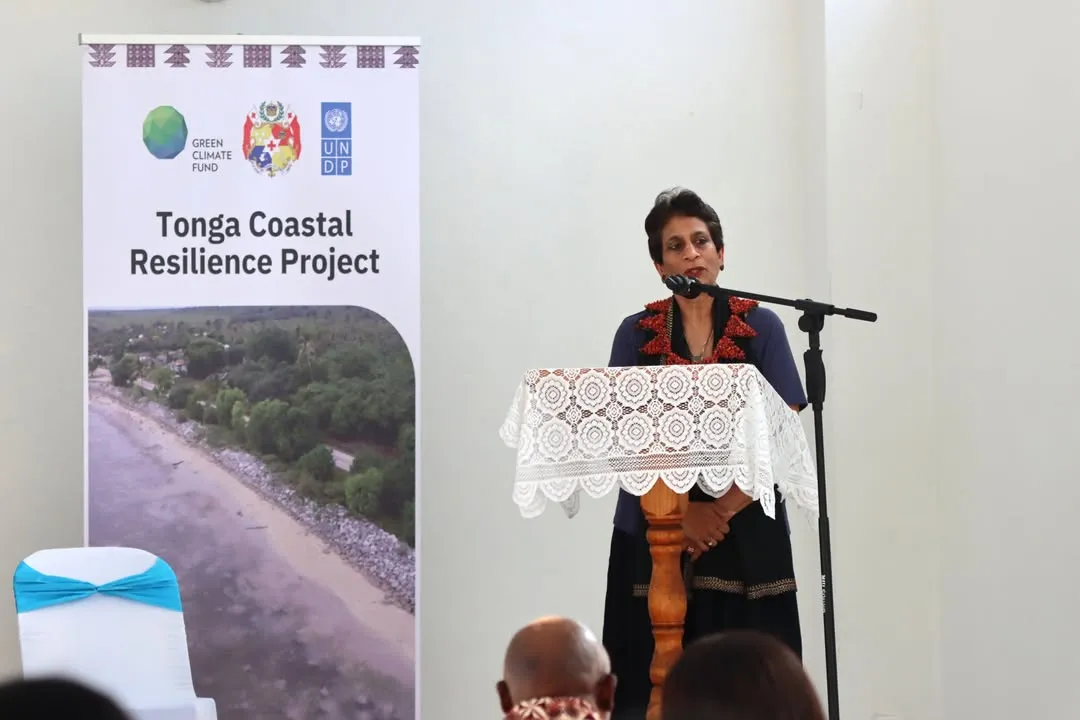
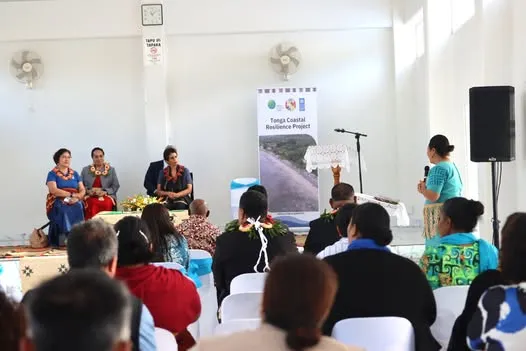
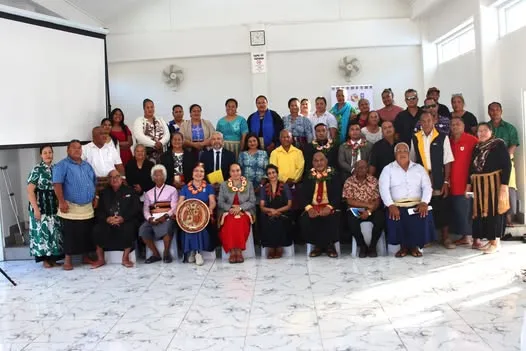
The final engagement of Regional Director Kanni Wignaraja's visit to Tonga took her to Hahake District, where she met with community members participating in the Tonga Coastal Resilience Project to hear directly about their priorities, experiences and aspirations.
Community members shared their perspectives on the project, including the importance of ensuring it remains inclusive and accessible for everyone. The dialogue reinforced the value of listening and ensuring communities continue to shape the decisions that affect their future.
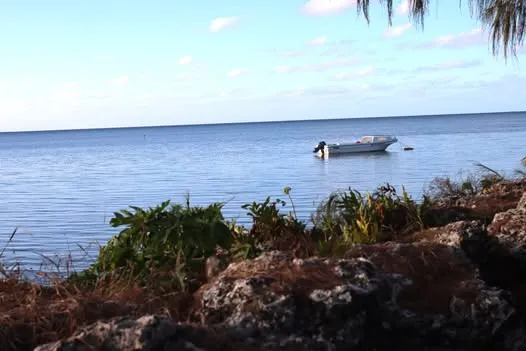
The US$23.9 million Tonga Coastal Resilience Project, funded by the Green Climate Fund and implemented by the Government of Tonga with support from UNDP, is helping strengthen resilience across six coastal communities through better planning, climate information and coastal protection.
UNDP looks forward to continuing its partnership with the people and Government of Tonga as communities turn their plans for a more resilient future into action.
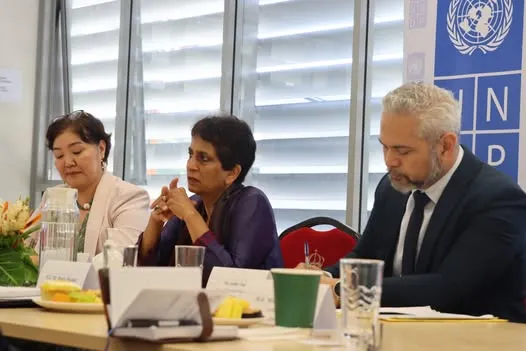
Development partners gathered to discuss how climate finance and coordinated action can continue to support Tonga's national priorities and strengthen resilience across the Kingdom, with UN Assistant Secretary-General and UNDP in Asia and the Pacific Regional Director Kanni Wignaraja leading the discussions.
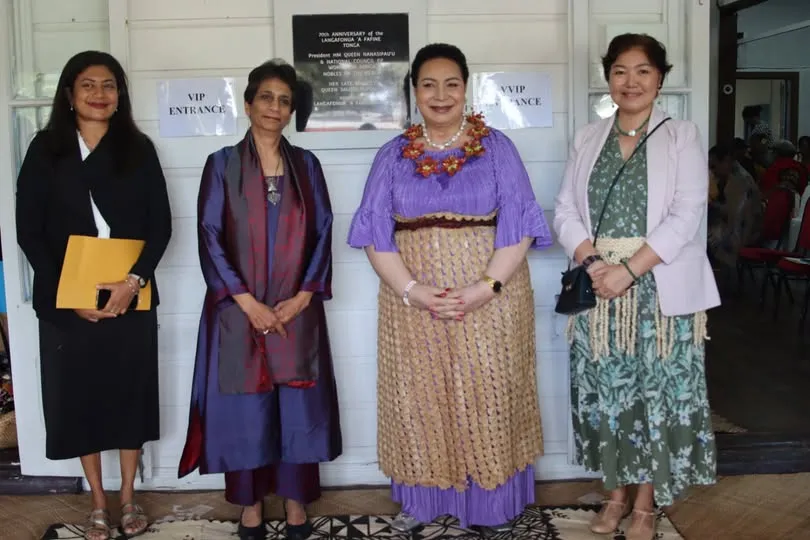
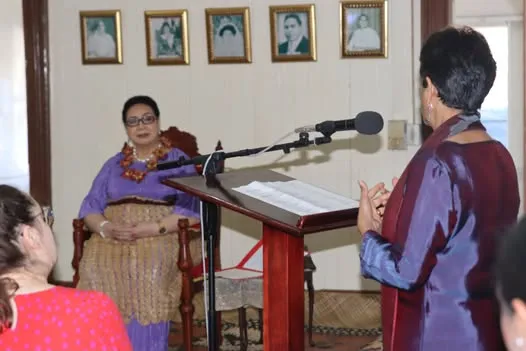
We also celebrated the national launch of Women in Biodiversity and Culture, where Her Royal Highness Princess Salote Mafileʻo Pilolevu Tuita honoured the extraordinary contribution of Tongan women in protecting biodiversity, preserving traditional knowledge and keeping culture alive for future generations.
Supported through UNDP's Global Environment Facility-funded Ridge to Reef Phase II project, the launch also marked the introduction of the Langafonua 'a Fafine Tonga UNDP Low Value Grant Project, which will support women-led initiatives that strengthen sustainable livelihoods, conserve biodiversity, preserve traditional knowledge and expand access to digital markets.
The discussions and launch highlighted the value of investing in people, protecting nature and supporting the leadership that already exists across Tonga.
For decades, the sound of chainsaws and heavy machinery have been a normal part of life in the rural Solomon...
The post The Last Trees: Solomon Islands Faces Life After Logging appeared first on In-depth Solomons .
Environment Ministry advances legislative reform through continued consultations & Honiara, 23 July 2026: The Ministry of Environment, Climate Change, Disaster Management and Meteorology (MECDM) held its [...]
BY TONY IROGA
Two representatives from the Solomon Islands National University (SINU) showcased the country’s climate innovation and research during the Pacific Islands Innovation Forum on Climate and Environment (PIFCE), held from June 27 to July 3, in Vanuatu, SINU said yesterday.
Assistant Lecturer in GIS and Remote Sensing, Steve Tahunipue, and final-year Bachelor of Environment Studies student, Philip Bero, represented SINU at the regional forum, which brought together Pacific universities, scientists, policymakers and innovators to discuss climate resilience and sustainable development.
The forum was held under the theme, “Innovation in Academia: The Role of Pacific National Universities in Building Climate and Environmental Leaders”.
Speaking during the forum, Mr Tahunipue said Pacific universities have a greater responsibility than simply teaching climate science.
“Pacific universities must not only teach climate science but also demonstrate climate leadership by integrating traditional ecological knowledge into policies, strengthening regional research networks, developing shared curricula, and building long-term partnerships beyond donor-funded initiatives,” he said.
He said four key areas to strengthen climate education across the Pacific include; stronger regional research collaboration, promoting traditional ecological knowledge, expanding student exchange opportunities, and increasing youth and community participation through citizen science and practical conservation activities such as mangrove restoration.
Meanwhile, Mr Bero presented a research poster on combining traditional knowledge with remote sensing technology for weather prediction and community resilience in Lokuru, Rendova Island.
Following his presentation, he was selected to serve on the Pacific Islands Universities Supervisors Panel.
Mr Bero said climate studies must address the everyday challenges facing Pacific communities.
“Climate and environmental studies must be connected to real-world challenges, including pollution, sea-level rise and food security, while respecting Pacific cultures and indigenous knowledge,” he said.
He also said climate education should reach beyond universities to schools, vocational institutions, communities and church programmes so climate awareness becomes part of everyday life.
During the forum’s innovation challenge, Mr Bero teamed up with students from Samoa, Tonga, Papua New Guinea and Vanuatu to develop a mobile application that provides early warning alerts for natural hazards.
The project won the People’s Choice Award during the pitching competition held on July 2, with each team member receiving an Android smartphone in recognition of their achievement.
SINU said the participation of Mr Tahunipue and Mr Bero reflects the university’s ongoing commitment to promote climate leadership, sustainable development and inclusive education in the Pacific.
For feedback, contact: tonyiroga8@gmail.com
Editor: irwin3angiki@gmail.com
South Pacific albacore is one of the Pacific region’s most valuable tuna resources, underpinning domestic longline fisheries, supporting thousands of livelihoods, and contributing significantly to food security and national economies. For many Pacific Island countries, particularly those south of the equator, the fishery is a vital source of employment, government revenue, and economic opportunity.
Recognising its importance, Pacific Island countries have spent years working together to strengthen the long-term management of this shared resource. That commitment reached a historic milestone in December 2025 when the Western and Central Pacific Fisheries Commission (WCPFC) adopted the South Pacific Albacore Management Procedure during its 22nd Regular Session in Manila, Philippines. The proposal, led by Members of the Pacific Islands Forum Fisheries Agency (FFA), established the first long-term, science-based harvest strategy for the fishery.
Delegates of the 22nd Regular Session of the Western and Central Pacific Commission (WCPFC) in the official group photo during the opening of the meeting on Monday 1 December 2025. Photo: FFA
The Management Procedure introduces a structured decision-making framework that uses scientific data to determine appropriate fishing levels based on the health of the stock. It relies on pre-agreed harvest control rules to ensure that management decisions are consistent, transparent, and responsive to changes in the fishery, reducing the need for difficult negotiations during periods of uncertainty.
While the adoption of the Management Procedure marked a significant achievement, it represents only one part of the broader fisheries management framework. Attention has now turned to developing the Implementing Arrangements (IA), which will establish the practical rules needed to put the Management Procedure into operation. These arrangements will define how participating countries coordinate implementation, including the operational measures required to achieve the agreed management objectives.
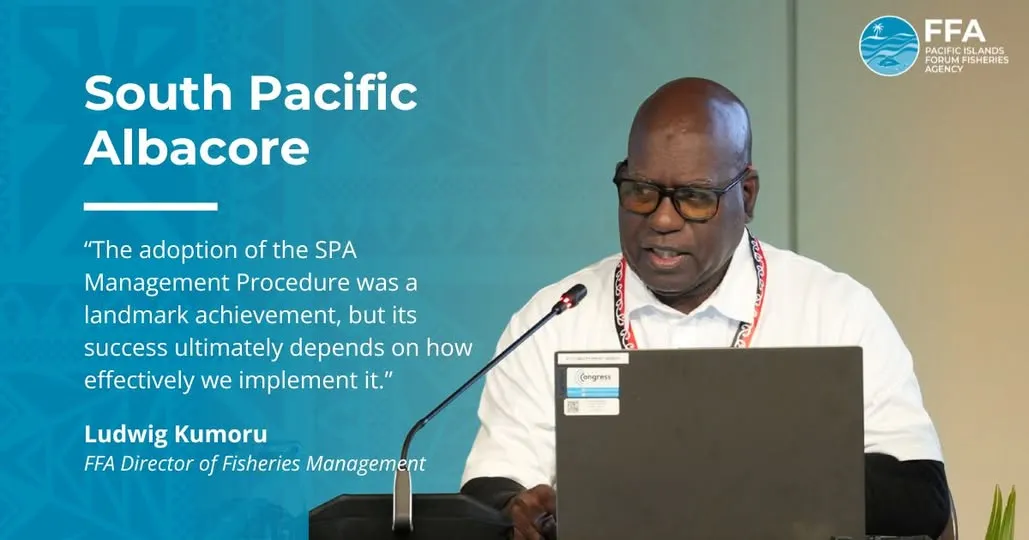
FFA Director of Fisheries Management, Ludwig Kumoru. Photo: FFA
“The adoption of the South Pacific Albacore Management Procedure was a landmark achievement for our region, but its success ultimately depends on how effectively we implement it,” said FFA Fisheries Management Director Ludwig Kumoru. “The Implementing Arrangements will provide the practical framework that turns scientific advice into coordinated management action. They will give our Members greater certainty, strengthen accountability, and ensure that the benefits of this important fishery continue to flow to Pacific communities while safeguarding the resource for future generations.”
The journey to this point reflects years of technical collaboration, scientific analysis, and regional dialogue. FFA Members have been at the forefront throughout the process, demonstrating unity in their vision to ensure that South Pacific albacore continues to deliver sustainable economic returns.
FFA Fisheries Management Advisor Joyce Samuelu-Ah Leong (right) contributes to the sustainable management of South Pacific albacore, supporting regional cooperation and science-based fisheries management. On the left is FFA’s Fisheries Management Advisor – Climate Change, Marina Abas at the first SPA Meeting, June 2026 in Wellington New Zealand. Photo: FFA.
FFCMIN24 – South Pacific Albacore (SPA) Meeting, July 2025. Photo: FFA
FFA Ministers have endorsed the FFA South Pacific albacore Allocation Agreement which binds each Member south of the Equator to an in-zone allocation for South Pacific albacore. This is a significant achievement – one that reinforces the Pacific’s leadership in fisheries governance. By combining adopted science-based management with regional cooperation, FFA Members are demonstrating how shared resources can be managed responsibly while recognising the unique development needs of Small Island Developing States.
“This achievement demonstrates what Pacific regionalism can accomplish,” said Mr Kumoru.
“By working together, our Members have shown that collaboration and a shared vision can deliver world-leading fisheries management. The South Pacific albacore fishery is more than a resource – it supports livelihoods, food security, and economic resilience across our region. Through continued cooperation, we are ensuring that Pacific Island countries remain at the forefront of sustainable fisheries management and that future generations inherit a healthy and productive ocean.”
As discussions continue on the Implementing Arrangements, Pacific countries remain focused on translating the Management Procedure into practical action. Together, these complementary measures will provide a stronger foundation for sustainable fisheries management, helping ensure that South Pacific albacore continues to support Pacific communities, economies, and future generations for decades to come.
HONIARA, 24 July 2026
Media Contacts:
Emily V. Moli
FFA Communications Manager
e: emily.moli@ffa.int
Ernest Ta'asi
FFA Communications Officer
e: ernest.ta’asi@ffa.int
Priscilla Ragu
FFA Communications Officer
e: priscilla.ragu@ffa.int
About Pacific Islands Forum Fisheries Agency (FFA)
FFA assists its 17 Members to sustainably manage fishery resources that fall within their 200-mile Exclusive Economic Zones (EEZs). FFA provides expertise, technical assistance and other support to its members who make decisions about their tuna resources and participate in regional decision making on tuna management. Find out more here: www.ffa.int
Earlier this week in Vanuatu, United Nations Assistant Secretary-General and Regional Director for UNDP in Asia and the Pacific, Kanni Wignaraja, visited Mele Village and the Vanuatu Coastal Adaptation Project.
Supported by the United Nations Development Programme - UNDP and the Global Environment Facility, this work is showing how adaptation ambition translates into action on the frontline of climate change.
UNDP and Pacific Partners Launch Oversight Mission to Revitalize SAFE and R2R Biodiversity Projects & HONIARA, Solomon Islands – A high-level oversight mission led by the [...]
BY CHARLES STENNETT
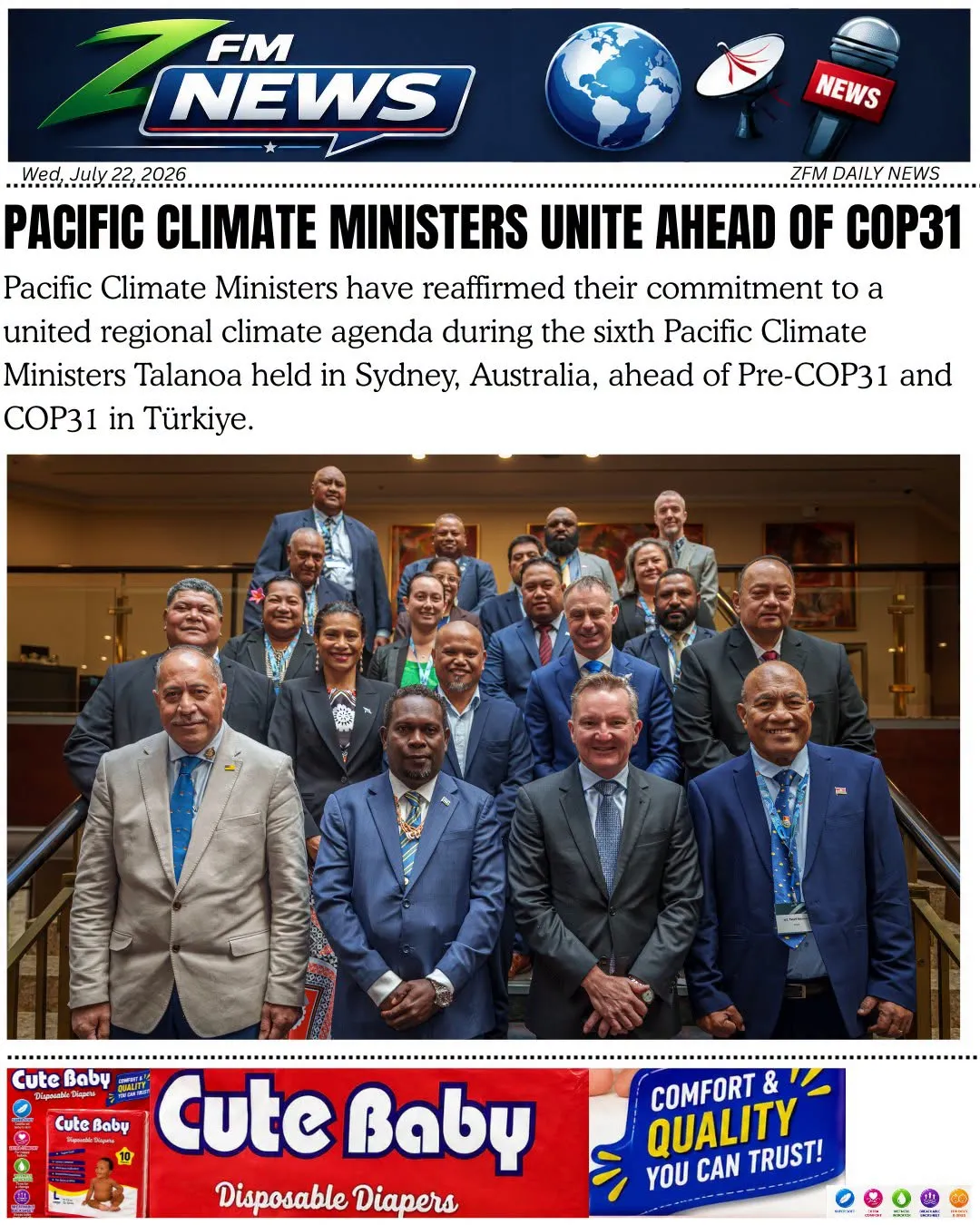
Pacific Climate Ministers met in Sydney this week for the sixth Pacific Climate Ministers’ meeting to strengthen regional climate cooperation and advance a united Pacific agenda ahead of Pre-COP31 in the Pacific and COP31 in Turkiye.
The meeting was co-chaired by Wayne Ghemu, Solomon Islands’ Minister of Environment, Climate Change, Disaster Management and Meteorology, representing the Pacific Islands Forum Chair, and Chris Bowen, Australia’s Minister for Climate Change and Energy.
A statement from the Pacific Islands Forum (PIF) said the meeting focused on delivering ambitious outcomes through the Pacific-Australia partnership, with discussions focused on advancing shared regional priorities through the Pacific Senior Officials Taskforce, including coordination of Pacific positions, preparations for the Pre-COP in Fiji, and the Leaders’ side visit to Tuvalu.
“Through the Pacific Islands Forum and the COP31 Pacific Partnership, we have shown that when we speak with one voice, we amplify our influence, strengthen our negotiating position and present solutions that are greater than the sum of our individual efforts. In an increasingly uncertain world, our regional solidarity is not simply a matter of convenience; it is a strategic necessity,” said co-chair Ghemu.
“Pre-COP will position Pacific voices to shape global climate negotiations, bringing governments and investors to the region,” said co-chair, Bowen.
Sefanaia Nawadra, Director General of the Secretariat of the Pacific Regional Environment Programme (SPREP) said the Climate Ministers took forward their important work on regional climate cooperation, which will help deliver real outcomes on the region’s priorities.
“Our Pacific Islands communities feel the impacts of climate change in their daily lives, so it is imperative that we do everything within our collective power to address this issue. Together, we have a responsibility to ensure Pacific priorities are amplified in the global negotiations that will shape our future,” said Nawadra.
PIF Deputy Secretary General Desna Solofa said while progressing this work, senior officials and the COP31 Secretariat are also very mindful of the current geopolitics and the impacts it will have in how they move forward.
“Amid current geopolitical uncertainties, alarms have been raised on the potential of an overshoot in the global average temperature, a strong push-back on the centrality of science, a shrinking climate financial landscape, and concerns over the inadequacy of multilateral processes and their ability to respond at the speed needed to address the climate crisis,” said Solofa.
“It is therefore very critical that we are agile and remain ahead of these issues particularly in how we implement the COP31 Pacific Partnership”.
The statement said Ministers reviewed progress in Pacific climate diplomacy, including engagement with Türkiye, outcomes from the UNFCCC Subsidiary Bodies meetings in Bonn, and discussions held during London Climate Action Week last month.
They also considered upcoming technical engagements that will inform the region’s collective approach to COP31.
The Pacific Climate Ministers meeting reflects the region’s commitment to collective climate action, resilience and keeping Pacific priorities at the centre of global climate decision-making.
Photo credit: PIF
For feedback, contact: charsstennett@gmail.com
Editor: irwin3angiki@gmail.com
Coral Triangle Initiative meeting ends today
Honiara, 23 July 2026: The three-day high level gathering of delegates from member countries comes to close today following two days of deliberation on important priority issues from member countries and level of support they want to receive from CTI in terms of funding support.(more later)
Biosecurity Gap Leaves Choiseul at Risk
By GEHAZI SEKO
Solomon Star, Choiseul
Choiseul Province remains vulnerable to biosecurity threats due to the absence of a dedicated biosecurity officer in Taro, according to the province’s Officer-in-Charge for Agriculture sector, Jeremy Puisasa.
Puisasa has raised concerns over the lack of a permanent biosecurity presence in the province, warning that increased movement of people, goods and agricultural commodities through border crossings could expose the province to harmful pests and diseases.
Speaking to the Solomon Star, Puisasa highlighted the vital role of biosecurity officers in safeguarding the country’s agriculture sector, describing them as the Ministry’s “watchdog” responsible for ensuring agricultural commodities entering the country comply with required biosecurity standards
“Biosecurity officers are entitled to look after agriculture commodities and they are the watchdog of the ministry,” he stated.
He explained that Choiseul’s location and its connection to neighbouring countries through traditional and formal border crossings make the province more exposed to biosecurity risks.
“Choiseul is at risk because of trade at the border crossings,” he said.
He adds that a biosecurity officer based in Taro would strengthen monitoring, inspections and awareness on the movement of plants, animals and other agricultural products, helping prevent the introduction of invasive pests and diseases.
He said strengthening biosecurity measures is important not only for protecting agriculture but also for safeguarding food security, local livelihoods and the province’s economic activities.
The call comes as national government agencies continue efforts to strengthen border management and raise awareness among border communities on national security, trade compliance and the importance of protecting the country’s borders.
Biosecurity Gap Leaves Choiseul at Risk
By GEHAZI SEKO
Solomon Star, Choiseul
乔伊瑟尔省因缺乏专职生物安全官而面临生物安全威胁,农业部门负责人杰里米·普伊萨表示。
普伊萨对省内缺乏永久生物安全人员表示担忧,警告说,人员、货物和农业商品通过边境口岸的流动增加可能使该省暴露于有害害虫和疾病之中。
在接受《所罗门之星》采访时,普伊萨强调了生物安全官在保护国家农业部门中的重要作用,称他们是该部的“看门人”,负责确保进入国家的农业商品符合所需的生物安全标准。
“生物安全官有权照顾农业商品,他们是该部的看门人,”他说。
他解释说,乔伊瑟尔的位置及其通过传统和正式边境口岸与邻国的联系使该省更容易受到生物安全风险的影响。
“乔伊瑟尔因边境口岸的贸易而面临风险,”他说。
他补充说,驻扎在乔伊瑟尔的生物安全官将加强对植物、动物和其他农业产品流动的监测、检查和意识,帮助防止入侵性害虫和疾病的引入。
他说,加强生物安全措施不仅对保护农业重要,而且对保障食品安全、当地生计和省内经济活动也至关重要。
这一呼吁是在国家政府机构继续努力加强边境管理并提高边境社区对国家安全、贸易合规和保护国家边界重要性的认识之际提出的。
One year ago today, the International Court of Justice (ICJ) ruled, unanimously, that states have binding legal obligations to protect global climate systems. It found that a state's failure to act, including through fossil fuel production, consumption, new exploration licences, or continued subsidies, may constitute an internationally wrongful act attributable to that state.
It was the outcome of a campaign Vanuatu led from the front, starting with a group of law students at the University of the South Pacific and ending in a unanimous opinion from 15 judges at The Hague.
In May 2026, the UN General Assembly went further, adopting a resolution led by Vanuatu that gave the Court’s legal opinion political weight. By any measure, this is one of the most significant diplomatic wins the Pacific has ever delivered for itself and for the world.
However, this global win does not rebuild or restore a damaged water system. The political go-ahead does not bring electricity to an isolated island community or help farmers recover crops lost to saltwater intrusion. The legal opinion does not reinforce coastlines against the next storm or support communities facing repeated landslides and floods.
An advisory opinion, however unanimous, even with endorsement by the General Assembly, is a statement of intent of what the law requires. It is not the finance, the engineering nor the logistics needed to act on that law. This is what is needed to move an international commitment into practical applications that change lives.
Vanuatu and the wider Pacific have carried the hard part of winning this fight in court: proving the moral case for decades and now proving the legal case as well. What remains unproven is whether the states most responsible for the current climate crisis will treat a confirmed legal obligation any differently than before.
Vanuatu's Prime Minister, Jotham Napat, with United Nations Assistant Secretary-General and Regional Director for UNDP in Asia and the Pacific, Kanni Wignaraja.
Photo: UNDP Pacific
The Pacific-hosted pre-COP this October will be an important opportunity to explore how legal clarity can translate into practical action and finance. The Pacific Resilience Facility (PRF) is a test case readily available. It is a Pacific-designed, Pacific-led financing mechanism built to directly move climate finance to the communities that need it, on terms that make sense for small island economies.
The PRF is designed to respond to a long-standing challenge: many Pacific Island Countries are classified as middle-income countries (MICs) and, therefore, struggle to access the concessional finance available to poorer countries, despite facing some of the world's greatest climate risks. Faced by this MIC conundrum, the Facility is built around vulnerability measures and not only income levels.
The legal architecture the ICJ has confirmed says that finance, technology, and cooperation are not generous ‘extras’, but are legal obligations. The PRF is where those obligations are tested in practice: pledges made at the pre-COP will demonstrate, in concrete terms, whether the response to the ICJ opinion will be converted to meaningful action or remain aspirational.
There is a version of the next 12 months’ narrative where the Advisory Opinion becomes a genuine turning point: cited in negotiating rooms, referenced in finance decisions, used by Pacific states and their allies to hold large emitters to standards no longer disputable. There is another version where it becomes what too many previous diplomatic wins have become, a landmark statement that changes the conversation without changing how finance flows.
This is also where the Pacific countries’ energy transitions come into play. The Court was clear that continued fossil fuel dependence, including through exploration licenses and sustained subsidies, sits within the range of state conduct that the legal opinion addresses. For the Pacific, that finding strengthens the legal and financial case for the region's own shift to locally generated renewable energy. And this is precisely the kind of transition the PRF and the climate negotiations are designed to drive. The obligation the Court confirmed is not only about what major emitters must stop doing. It is also about what they must now finance others to do as well.
Vanuatu did not ask the international community for sympathy. It asked the world's highest court for a ruling, and it got one that leaves very little room for ambiguity. The Pacific has done its part. The Pre-COP in Fiji and Tuvalu, and COP31 in Türkiye, are where we must move from legal clarity to directing climate finance to follow.
IOM, KOICA Support Community Resilience&Disaster Preparedness in Kia
The International Organization for Migration (IOM), with support from the Korea International Cooperation Agency (KOICA), has reaffirmed its commitment to strengthening community resilience and disaster preparedness in Solomon Islands through a recent visit to Kia Community in Isabel Province.
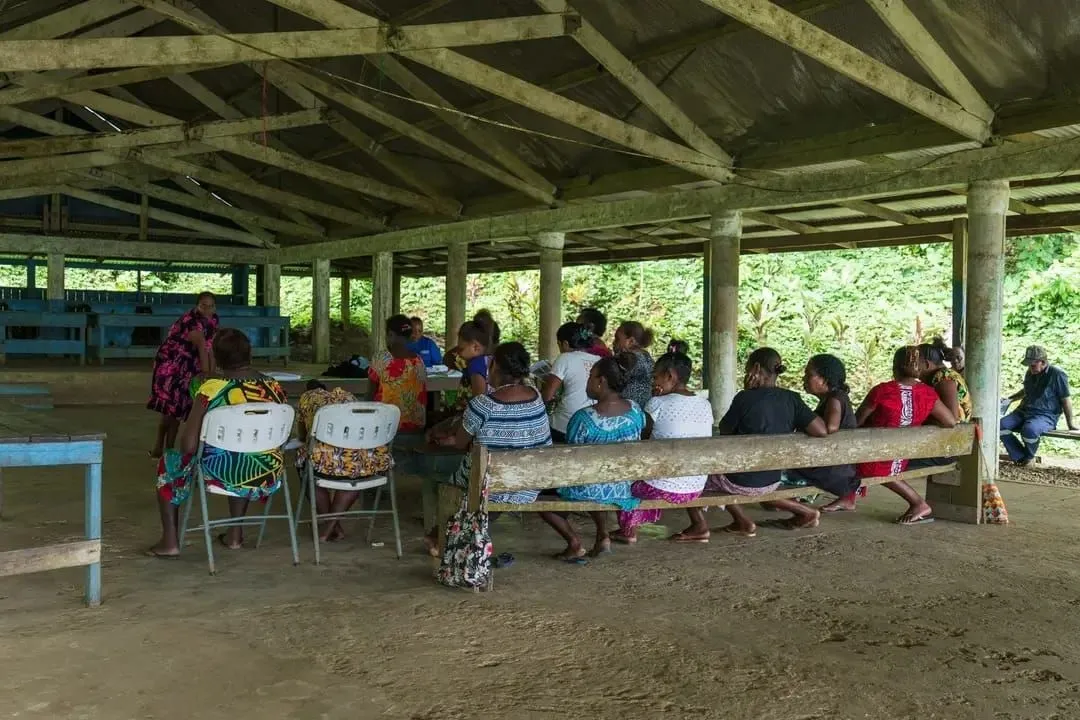
The three-day visit, held from 3–5 June 2026, focused on sharing the findings of the Integrated Vulnerability Assessment (IVA) and monitoring the condition of community evacuation centre facilities.
Community members who participated in the 2025 IVA attended an awareness session facilitated by Clemency Natai from the Climate Change Division (CCD) of the Ministry of Environment, Climate Change, Disaster Management and Meteorology (MECDM). During the session, participants were presented with the assessment findings and six key community priorities identified through the assessment.
The discussions underscored the importance of collaboration between local communities, government agencies and development partners in addressing vulnerabilities and guiding future development planning.
The team also inspected designated evacuation centre facilities, including school classrooms and the community library, to assess completed repair works and identify remaining maintenance requirements to improve emergency preparedness.
Clemency Natai described the IVA report as a valuable planning tool for the community.
"This IVA report is an important document for Kia Community. The findings and priorities identified provide a valuable foundation for future planning, decision-making, and engagement with partners," Natai said.
The visit forms part of an ongoing partnership between IOM and KOICA to strengthen resilience and disaster preparedness in vulnerable communities across Solomon Islands through community engagement, assessments and monitoring activities.
Pacific Climate Ministers Unite Ahead of COP31
Pacific Climate Ministers have reaffirmed their commitment to regional climate cooperation during the sixth Pacific Climate Ministers Talanoa in Sydney, Australia.
Co-chaired by Solomon Islands Minister for Environment, Climate Change, Disaster Management and Meteorology, Hon. Wayne Ghemu, and Australia's Minister for Climate Change and Energy, Hon. Chris Bowen, the meeting focused on strengthening Pacific priorities ahead of Pre-COP31 in Fiji and COP31 in Türkiye.
Minister Ghemu said the Pacific's united voice strengthens its influence in global climate negotiations, while Minister Bowen highlighted the importance of ensuring Pacific priorities shape international discussions.
Ministers also reviewed progress on regional climate diplomacy, preparations for upcoming climate talks, and updates from the COP31 Pacific Climate Envoys.
The Talanoa reaffirmed the Pacific's commitment to collective climate action, resilience, and ensuring the region's priorities remain at the forefront of global climate decision-making.
ENDS///