By Lesley Foinagwa [Freelance journalist, Malaita province]
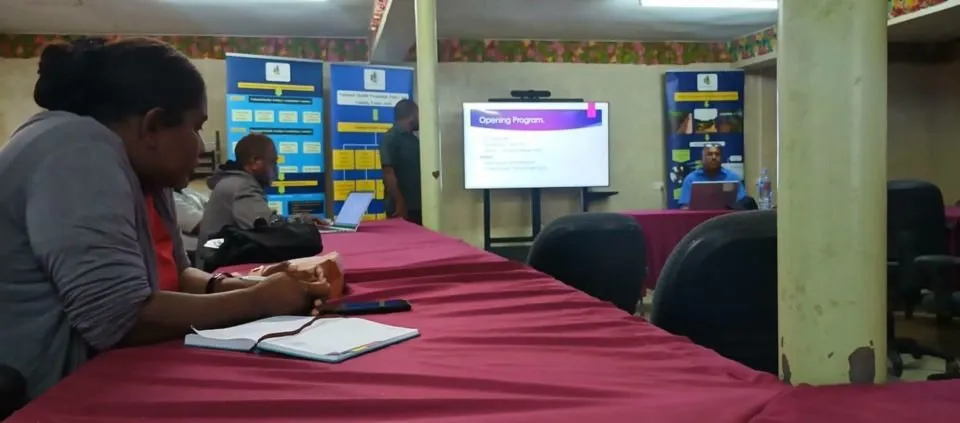
A 15-member Primary Health Care (PHC) team from Atoifi Hospital has brought free health services closer to remote communities in Loiloi and surrounding areas through a four-day health outreach programme.
The outreach was conducted from Monday, September 7, to Thursday, September 10, 2026, with the health team departing Loiloi on Friday, September 11.
The team comprised a doctor, midwife, registered nurses and student nurses from Atoifi Hospital.
The visit marked the first time a doctor, midwife and team of nurses had travelled to the highland communities to provide health services on such a scale.
People from 12 communities and nearby settlements attended the programme, including Loiloi, Unufa, Sinafolo, Canaan, Rumu, Namolo’alo’a, ‘Aufarisi, Daisu’aani, Namoabu, Loulana, Maoa and Busule’easi.
During the outreach, the health team provided free health checks, non-communicable disease (NCD) screening, health counselling, health awareness sessions and outpatient treatment.
The programme also gave community members an opportunity to learn more about their health conditions and receive medical advice without having to travel long distances or pay costly fees for health checks.
One of the recipients, Michael Mule from Lumu community, said he was satisfied with the approach taken by the visiting health team.
“The type of service this health team provided is different compared to the previous. I am really satisfied with the way this health team thoroughly checked my health status before giving me a prescription that truly meets my health needs,” Mr Mule said.
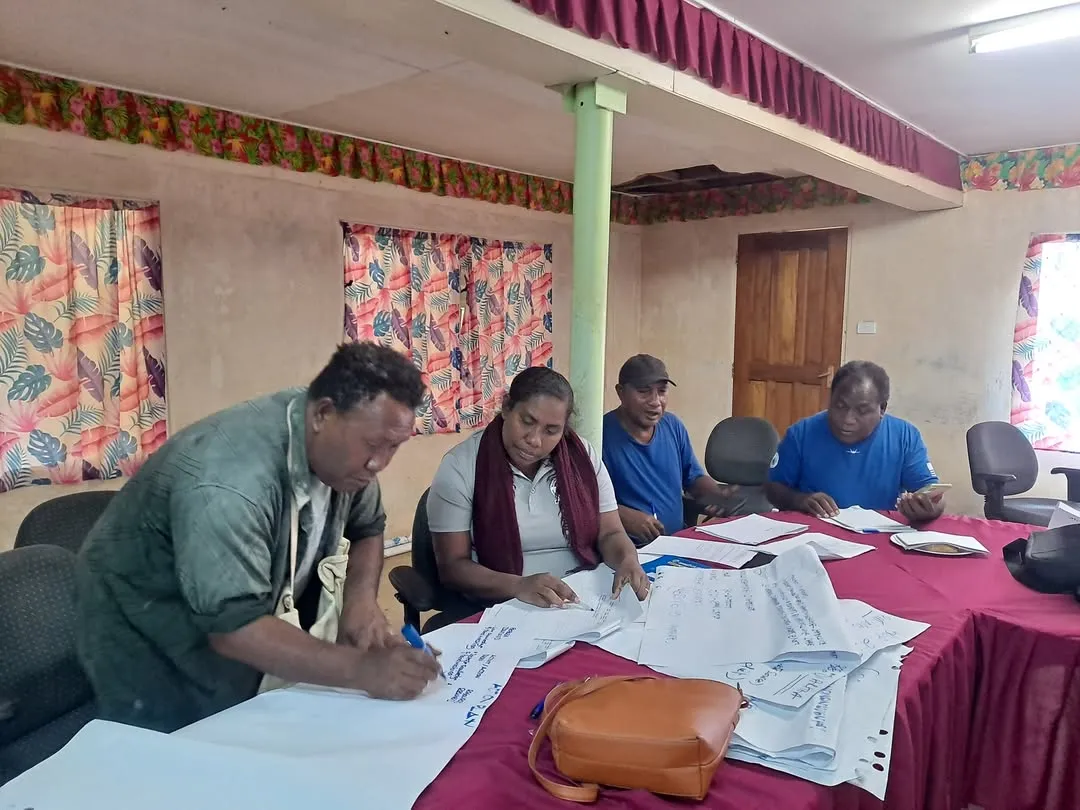
Health team members
Women in the communities also benefited from health awareness sessions, particularly discussions on healthy food preparation and the importance of reducing excessive salt and other ingredients in daily meals.
Veronica Maeanisia said the programme provided her with useful knowledge that she could apply at home.
“As women, we are the main cooks in our houses, and most of the time we add too much salt to the food. Therefore, this programme helped me to use the right amount of ingredients that promote good health,” Mrs Maeanisia said.
The outreach was particularly important for the remote communities, where residents face challenges travelling to Maoa Rural Health Centre to access medical services.
Distance, difficult access routes and transportation costs can prevent people from receiving regular health checks and medical advice.
The programme also placed strong emphasis on NCDs, which are an increasing health concern in communities.
Community members welcomed the outreach because it combined medical services with health education, allowing them not only to receive treatment but also to better understand how lifestyle choices can affect their health.
The successful completion of the outreach has raised hopes among the communities that similar programmes will be conducted in the future, helping bring essential health services closer to people living in remote and hard-to-reach areas.
[END]
The post Atoifi Health Team brings free medical services to remote Loiloi communities first appeared on Solomon Islands Broadcasting Corporation (SIBC) .
BY DOUGLAS VAHIA
The National Referral Hospital (NRH) Laboratory has issued an urgent appeal for the return of a vital microscope stolen from its Microbiology section, warning that the theft is affecting the hospital’s ability to provide essential diagnostic services to patients.
The incident occurred in the early hours of Friday, September 11 with the stolen microscope described as a key diagnostic tool used daily to identify illnesses and conduct medical testing for the community.
The matter is yet to be reported to police, with NRH officials telling Island Sun they are giving one week for any positive feedback to their appeal for the microscope’s return.
“We will report the matter to police after one week if the microscope still has not been returned,” the officials told Island Sun under request of anonymity.
This officials say two other microscopes were also stolen some years past from the lab, with each theft leaving the NRH lab struggling to provide adequate service.
The loss of the equipment is a serious concern because it directly affects the laboratory’s ability to diagnose patients who depend on the hospital’s free healthcare services.
A concern has also risen that the stolen microscope could be offered for sale to private clinics or individual microscopists.
Private medical practitioners and individuals approached to purchase the equipment are urged not to buy it and, if they have already acquired it, to return it to the Medical Laboratory.
The laboratory is also asking anyone who may have information about the person responsible for selling the equipment to report the matter to authorities or the hospital.
Public is also encouraged to share the appeal to help increase the chances of recovering the stolen equipment and restoring the laboratory’s normal diagnostic services.
For feedback, contact: diivee56@gmail.com
Editor: irwin3angiki@gmail.com
The Ministry of Health and Medical Services (MHMS), through its routine disease surveillance system, continues to closely monitor the situation regarding flu-like illness across the country.
Recent surveillance data for last reporting week of August 24-30 indicates an increase of cases with influenza-like illness (ILI) reported from surveillance sites in Honiara and Western province. Routine lab testing data has detected Influenza A in majority of samples tested in August. Influenza A is a highly contagious virus that causes the flu. It attacks your respiratory system, which includes your nose, throat, and lungs. Additional samples have been collected last week and are pending testing.
The Ministry is continuing to monitor the situation through its routine surveillance and laboratory systems to better understand the circulation of respiratory viruses and to guide appropriate public health measures.
Flu-like illnesses can spread easily from person to person, particularly when an infected person coughs or sneezes. Common symptoms may include fever, dry cough, body aches, runny nose, and sore throat.
MHMS advises the public to:
Practise good hand hygiene by washing hands regularly with soap and water or using an alcohol-based hand sanitiser.
Cover the mouth and nose when coughing or sneezing, preferably with a tissue or into the elbow.
Avoid close contact with others when feeling unwell.
Stay home and rest when experiencing flu-like symptoms, where possible.
Drink plenty of water and eat fruits and vegetables
If fever, take Panadol as advise by a nurse or doctor or use sponge to reduce fever
Seek medical attention if symptoms become severe or if there are concerns about illness, particularly for young children, older people, pregnant women, and people with underlying health conditions.
Maintain a clean environment by disinfecting frequently touched surfaces and improving indoor air circulation.
The MHMS encourages members of the public to remain vigilant and continue practising good respiratory hygiene to help reduce the spread of respiratory infections.
The Ministry will continue to monitor the situation and provide further updates to the public as necessary.
END//
– MHMS PRESS RELEASE
The post MHMS Monitors Increase of flu-like illness first appeared on Solomon Islands Broadcasting Corporation (SIBC) .
Nine injured, 12-year-old boy in critical condition
BY RODRICK DESURI
AUKI
NINE people were injured, including a 12-year-old boy who is in critical condition, after a Hilux overturned at Utae Hill along East Road on Friday morning.
The black Hilux, which was operating as a passenger transport vehicle, was carrying more than 10 people who were travelling to the eastern side of Malaita to attend a funeral.
Malaita Provincial Police Commander Superintendent Michael Ramosaea confirmed the accident on Saturday.
He said the vehicle developed mechanical problems while attempting to climb Utae Hill.
“According to information received from our Atori police officers, the incident occurred on Friday morning, September 11, between 10am and 11am,” Ramosaea said.
He said the vehicle was about halfway up the hill when the mechanical fault occurred.
“So, they did not manage to climb the hill, but reversed until the vehicle overturned,” he said.
Ramosaea said nine people were rushed to Kilu’ufi Hospital following the accident, with several sustaining injuries.
He confirmed that the 12-year-old boy is in critical condition.
The driver was arrested and detained at Atori Police Station while police investigations continue.
Ramosaea also appeals to vehicle operators and drivers to avoid overloading their vehicles and put the safety of passengers first.
“That is why the crime prevention outreach launched is strongly emphasised.
“For the safety of everyone, we should follow traffic rules and regulations to avoid such accidents in the future,” he said.
For feedback, contact: rodrickdesuri50@gmail.com
Editor: irwin3angiki@gmail.com
BY BEN BILUA
Gizo
THE chairperson of Lambulambu Clinic in Western province is calling on the Government, non-government organisations (NGOs), donors and kind-hearted individuals to support the clinic’s efforts to improve health services for communities in its catchment area.
Chairperson Billy Raso said the clinic urgently needs proper water and sanitation facilities, transportation and refurbishment of the existing clinic building.
He said communities within the clinic’s catchment area are doing their best to support the facility, including efforts to complete staff accommodation for the nurse posted to the clinic.
“Lambulambu Clinic provides health services to more than 2,500 people from Beiporo to Kimbiri. It covers a large distance.
“What we need is a boat and engine, proper water supply and sanitation, as well as improving the current state of the clinic,” Raso said.
He said a boat and engine will greatly improve the clinic’s ability to deliver health services to remote communities.
Raso explained that the boat will allow the nurse to travel to communities within the clinic’s catchment area and also provide a means of transport for seriously ill patients to Gizo Hospital when necessary.
He said the distance between some communities and the clinic is considerable, making access to health services particularly difficult during periods of bad weather.
Raso said patients were sometimes forced to take significant risks while travelling by sea to seek medical attention.
He said transporting sick patients from the clinic to Gizo Hospital is also a major challenge because the clinic does not have its own boat or engine.
“There were situations where sick patients lost their lives and mothers gave birth while trying to reach Gizo Hospital,” Raso said.
He said these challenges highlight the urgent need for reliable transportation to support emergency referrals and improve access to health care.
Raso said Lambulambu Clinic had continued operating largely through the support of local communities.
He said outside assistance is now needed to improve the standard and reliability of health services while community members had demonstrated strong commitment to keeping the clinic running.
Raso said improving the clinic will not only benefit Lambulambu but also provide better health services to thousands of people living across its wide catchment area.
For feedback, contact: maetuana777@gmail.com
Editor: irwin3angiki@gmail.com
MHMS advances health cooperation with India, focusing on medicines, medical training, specialist referrals and pharmaceutical supply. A delegation from the Ministry of Health and Medical Services (MHMS) recently travelled to New Delhi, India, to advance discussions with the Government of India through its relevant ministries, line departments, selected hospitals and State-accredited pharmaceutical agencies, as both [...]
The post MHMS Delegation Advances Solomon Islands–India Health Cooperation appeared first on Tavuli News (Solomon Islands) .
HIV cases recorded in Solomon Islands this year are already nearing last year’s total, with health authorities warning that the actual number of people living with the virus could be significantly higher.
Director of the HIV, STI and Viral Hepatitis Program at the Ministry of Health, Dr Jackson Rakei, made the warning during a TB and HIV Talkback programme on SIBC this afternoon.
Dr Rakei said 111 HIV cases have been recorded since the first case was identified in the country , with 29 people having died .
A total of 34 new cases were recorded in 2025.
He said some of those who died had other illnesses, while 72 people are currently receiving treatment .
The majority of people diagnosed with HIV are males, he said.
Dr Rakei said the current figures could represent only a small fraction of the actual number of people living with HIV in Solomon Islands.
He said health authorities were increasingly seeing people with advanced HIV infections being admitted to hospital and subsequently dying.
“The concern is that health authorities have seen people with advanced HIV infections being admitted to hospital and later dying,” Dr Rakei said.
“This indicates that some people may have been living with HIV for a considerable period—possibly two years or more—without knowing their status. During that time, they may have unknowingly transmitted the virus to others.”
Dr Rakei said many people remain unaware of their HIV status because they have never been tested.
“A lot of people do not know their HIV status until they are tested. We believe there are people in Honiara and communities around the country who may be living with HIV without knowing they have the virus,” he said.
He also expressed concern about the number of young people testing positive for HIV.
“We are also seeing a number of young people testing positive for HIV, which indicates that the virus continues to circulate while many people remain unaware of their status,” Dr Rakei said.
He said HIV testing coverage has also remained low in recent years.
Health authorities are now working to increase HIV testing coverage and are encouraging more people to come forward and know their status.
“We are appealing to the public to come forward for HIV testing and know their status. Early diagnosis allows people to begin treatment early and helps prevent serious complications and deaths associated with HIV,” Dr Rakei said.
With three months remaining in 2026, health authorities are concerned that the number of new HIV cases could soon surpass the 34 cases recorded in 2025 .
>>news@sbm2026
BY RODRICK DESURI
Auki
The Maoa Rural Health Clinic in West Kwaio, Malaita Province, is in urgent need of proper sanitation to serve its patients and nurses working at the clinic.
Nurse in charge at the clinic, Jeffrey Fa’afunua said the current toilet facility is no longer suitable for use by patients given its poor condition making it unsafe and unhygienic.
The toilet is in poor condition and very unhygienic, Photo credit- Jeffrey Fa’afunua
He also warns that the building could collapse as sea levels continue to rise.
“Looking ahead, the house could fall anytime as the sea level rises,” he said.
The toilet facility is also at risk of falling anytime soon because of sea level rise, Photo credit- Jeffrey Fa’afunua.
Fa’afunua mentioned that clinic staff should also have their own toilet facility.
When asked if members of the community could support the construction of a new toilet, he said letters had been distributed seeking their support for the clinic’s development.
He also appeals to the Malaita Provincial Health Authority for support to address the clinic’s sanitation needs.
“On behalf of the clinic community members, I would like to further appeal to our health authorities to please support us with this sanitation issue. This is a very important facility that needs to be addressed so we can better serve our patients,” he said.
Photo credit: Jeffrey Fa’afunua
For feedback, contact: rodrickdesuri50@gmail.com
Editor: irwin3angiki@gmail.com
BY BEN BILUA
Buala
COMMUNITIES within the Guguha Rural Health Clinic catchment area in Isabel province are stepping up efforts to fight the increasing number of malaria cases recorded in the area.
A week-long community health campaign was conducted this week across Hovikoilo, Popoheo, Kolosori, Guguha School, Gnulahage and Kolomola.
The campaign included health awareness programs, healthy setting training, community clean-up activities and the establishment of Community Health Committees.
Malaria Division officer at Buala Hospital, John Manesonia, said the community engagement was organised in response to the increasing number of malaria cases being recorded within Guguha area.
“Guguha RHC has recorded a very high number of malaria cases. We have been trying our best to deal with the communities, but this time it has been a success,” he said.
Manesonia said the establishment of Community Health Committees will allow communities to continue carrying out health-related activities after the campaign.
“We established Community Health Committees to carry on the duties,” he said.
Principal Health Promotion Officer Mercy Walani acknowledged the communities for their active participation throughout the week-long program.
She stressed that malaria is a potentially fatal disease and calls on communities to take greater responsibility to address factors contributing to its spread.
Walani said maintaining clean and healthy communities is one of the important ways of reducing malaria transmission.
“My advice is for communities to address the source of the issue. Engage in community clean-ups to destroy mosquito breeding sites.
“It is highly recommended that we deal with the issue at the primary stage – which is to address the source of the issue,” she said.
Walani said cooperation among communities is crucial to reduce malaria cases and improve overall health.
She explained that the activities were carried out under the Healthy Setting concept, which promotes stronger partnerships between health providers, communities and other stakeholders.
“Under the Healthy Setting concept, we establish the Community Health Committee to sustain the programs and activities at community level.
“These committees have their work plans and activities to ensure people are healthy and free from diseases like malaria and other diseases,” Walani said.
The establishment of the committees is expected to strengthen community participation in disease prevention and ensure health activities continue at village level beyond the week-long campaign.
For feedback, contact: maetuana777@gmail.com
Editor: irwin3angiki@gmail.com
BY TONY IROGA
Yandina clinic is the premier health institution which serves more than 7,000 people in the Russell group of islands of the Central province.
The clinic has its roots in the colonial era. The facility was initially operated under the Levers company before responsibility was transferred to the provincial authorities and later to the Ministry of Health and Medical Services (MHMS).
The clinic despite its important service to the people of Russell islands, continues to face challenges.
While administrative challenges remain a continued thorn in the side, climate change threatens its infrastructure and services at a growing rate. The sea now breaks just five metres from the clinic’s doorstep. Decades ago it was further away.
Pepesala clinic is the other clinic serving the Russell islands. Patients needing higher level of care come to Yandina clinic before they are referred to the National Referral Hospital (NRH) in Honiara.
Yandina clinic currently has three registered nurses, one nurse aide, two microscopy staff, one cleaner, one casual security officer, one boat skipper and one health environmental officer. Health volunteer workers also assist the clinic.
Nurses working under pressure
For Agnes Sade, the nurse in charge who has worked at Yandina Clinic for almost 14 years, the challenges are not new. But they are becoming increasingly difficult to ignore.
Yandina clinic nurse in charge Agnes Sade. Photo credit – Tony Iroga
With too few staff to properly cover shifts, working overtime is a norm.
“When there is not enough staff to work, this can lead to some challenges in handling situations where the needs of the patients are sometimes not met,” Mrs Sade explained.
Staff retention is also affected by the lack of proper accommodation and sanitation facilities.
Health workers do not remain at the clinic for long because of the difficult living and working conditions.
Currently, staff are accommodated in company houses associated with Levers Pacific because there are no dedicated staff houses built by the Ministry of Health and Medical Services.
When medicines run out
Medicine supply is another concern.
The clinic receives supplies from the National Medical Store every two months. But supplies often run out before the next scheduled delivery.
When this happens, the clinic requests supplementary supplies. The problem, however, is getting those medicines from Honiara to Yandina.
Nurse’s consultation desk with medicines. Photo credit- Tony Iroga
When boats cannot travel, drugs shortage can become more serious.
When a patient’s condition is beyond the clinic’s capacity to manage, the patient must be referred to the National Referral Hospital in Honiara.
Depending on the circumstances, patients may be transported by boat or helicopter.
Water and sanitation an alarming concern
One of the most basic challenges facing Yandina Clinic is access to water.
The clinic has a water tank, but Sade said there is no reliable water supply to fill it.
Water tank installed behind the clinic building, for drinking. Photo credit – Tony Iroga
As a result, staff have to collect water from wells and the sea, carrying it by bucket for use at the clinic, including toilet facilities.
Water container and cooler used for drinking water for patients. Photo credit- Tony Iroga
Water is also needed for sick patients who require drinking water to take their medication.
The situation highlights a difficult reality – a health facility caring for sick people does not have a reliable water supply.
Waste storage and disposal problem
The clinic does not have a proper place to store and dispose rubbish and medical waste.
In the past, rubbish was dumped and burnt behind the clinic. But rising sea levels have now affected those areas, with seawater covering places that were previously used for waste disposal.
The encroaching sea has created not only an infrastructure threat but also a sanitation problem.
The sea is getting closer
As the population grows and the demand for health services increases, Sade said the clinic needs more space.
But expanding the existing site may not be a long-term solution.
The coastline is now only about five metres from the clinic, raising concerns about the safety and sustainability of the current location.
Waves break about 5 metres from clinic. Photo credit – Tony Iroga
Community member Fisher Lulu believes the clinic should be relocated.
The issue is particularly urgent because the clinic cannot simply stop operating. It remains the main referral point for communities across the Russell Islands.
Maternity facilities among concerns
One of the most important areas requiring attention is maternity care.
Sade said the clinic does not have a clean and adequate delivery bed for mothers to give birth.
Delivery bed in bad condition for mothers giving birth. Photo credit – Tony Iroga
She called on the government to improve the facilities available for mothers, sick patients and health workers.
Transportation challenges
Nurse Sade also appealed for a more reliable system of transporting medicines from Honiara to Yandina.
The clinic relies on boats to collect medical supplies, meaning bad weather and rough seas can disrupt the transportation of essential medicines.
Relief through donor assistances
Amid the challenges, relief has come in the form of assistance from non-government organisations along the years.
Community members welcome an upcoming sanitation project funded by the United Nations Development Programme (UNDP) which is expected to begin at the end of September and run for one month.
They said the project would help address some of the clinic’s long-standing sanitation problems.
Community members also acknowledged the World Bank for funding a solar lighting system for the clinic last year.
Nurse Sade expressed appreciation to the Ministry of Health and Medical Services and members of surrounding communities who have helped the clinic overcome difficulties in one way or the other.
*Reporting for this story was supported by Pacific Media Assistance Scheme (PACMAS).
Photo credit: Tony Iroga
For feedback, contact: tonyiroga8@gmail.com
Editor: irwin3angiki@gmail.com
BY LESLEY FOINAGWA
Malaria elimination in Malaita Province requires a whole-of-province approach involving the government, health authorities, communities, schools, churches, businesses, landowners and development partners.
The approach is in line with Solomon Islands’ National Roadmap for Malaria Elimination 2026–2040, which aims to eliminate malaria by 2038 through whole-of-government and whole-of-society action.
A proposed “Healthy Malaita” approach focuses on keeping communities clean by clearing stagnant water, blocked drains, rubbish and other mosquito-breeding areas.
Households are also encouraged to properly use insecticide-treated mosquito nets, while targeted spraying should be carried out in areas identified by health authorities.
Another key focus is “Test, Treat and Track”, ensuring suspected cases are tested quickly, confirmed cases receive proper treatment, and health workers follow up cases in surrounding communities.
The proposal also recommends ward-level malaria monitoring, with schools playing an important role in awareness, environmental clean-ups and early referral of sick students.
Community malaria committees could also be established in high-risk wards to support prevention, awareness and monitoring alongside professional health workers.
The proposed vision is: “Healthy Malaita, Malaria-Free Malaita: Every Ward, Every Community, Every Household.”
The five key pillars are to stop mosquitoes, find infections, treat every case, track every case and mobilise communities.
The initiative calls on all sectors and communities in Malaita to work together towards zero indigenous malaria transmission and a healthier, malaria-free province.
BY JOHN HOUANIHAU
Solomon Islands has reached a regional target for Early Essential Newborn Care (EENC), with more than 80 percent of the country’s birth facilities now providing life-saving care to newborns in the critical first hours after birth.
A new World Health Organisation (WHO) report shows that EENC had been introduced in 37 of 44 birth facilities, or 84 percent, by 2019, with 559 health workers coached in the approach.
The WHO’s Early Essential Newborn Care: Fourth Progress Report (2022–2023), published in 2026, documents progress in implementing EENC across the Western Pacific Region and identifies priorities for improving the quality of maternal and newborn care.
Solomon Islands began implementing EENC in 2015 as part of a regional initiative aimed at reducing newborn deaths.
Minister of Health and Medical Services Morris Toiraena said the progress demonstrated what could be achieved when health workers, communities, WHO and development partners worked together.
“No mother should lose her baby because simple, proven care was not available at the right moment,” Mr Toiraena said.
The report also highlights encouraging results from assessments of seven selected health facilities in Solomon Islands in 2023.
Among term newborns assessed, 75 percent received uninterrupted skin-to-skin contact for at least 90 minutes, while 94 percent remained in skin-to-skin contact until their first breastfeeding.
More than half (56 percent) received both early and exclusive breastfeeding.
However, WHO identified several areas requiring further attention, including hand hygiene facilities and supplies.
Only 14 percent of assessed hospitals had alcohol gel or hand rub available in all delivery, recovery, postnatal and neonatal care rooms, while none met the standard for adequate sink handwashing facilities across all rooms.
WHO Representative in the Solomon Islands Dr Howard Sobel said the next step was to move from coverage to consistency.
WHO has recommended expanding EENC to all facilities where babies are born, maintaining health worker coaching and strengthening supplies, health information and quality improvement.
BY JOHN HOUANIHAU
THE National Hosting Authority (NHA) has accepted serious findings arising from the Auditor-General’s Special Audit Report into the 2023 Pacific Games, including control and governance weaknesses, non-compliance, negligence and indicators of possible wrongdoing or fraud.
But the NHA says the findings should not overshadow the wider achievements of the Games, while accepting the Court’s ruling that its March 2023 blanket procurement waiver exceeded its lawful authority.
A statement issued by the NHA Secretariat on Wednesday this week said the Authority takes the Auditor-General’s findings seriously and accepts the determinations made by the Court on the Games’ financial and procurement processes.
The NHA said the Court’s ruling had also clarified how the Financial Management Act 2013 applies to expenditure from the Sports Solomon Islands Fund, with implications for other special funds established under Section 100(2) of the Constitution.
It said the ruling highlighted a wider issue within the Government financial system, where warrants to incur expenditure from special funds had not been issued by the Ministry of Finance and Treasury.
The NHA said it will work with the Ministry to address the warrant requirements identified by the Court and ensure special funds are operated lawfully going forward.
On its March 2023 Modification Policy, the NHA accepted the Court’s finding that the blanket waiver exceeded its lawful authority.
However, it said the policy was introduced under exceptional and time-critical circumstances, with only seven months remaining before facilities and operational arrangements had to be Games-ready.
The Pacific Games Council had raised serious concerns about Games readiness and called for procurement bodies to meet more frequently and for delegated spending authorities to be increased.
The NHA said its Board believed faster procurement decisions were necessary to reduce the risk of preparations not being completed on time.
It said the Board acted in good faith based on advice available at the time and in response to what it described as genuine and pressing operational circumstances.
The Authority nevertheless acknowledged that the Court had now determined that the blanket waiver went beyond its lawful authority.
The Auditor-General’s report also raised concerns over possible wrongdoing and fraud indicators.
The NHA said that while the Court did not make findings of individual wrongdoing against any officer, contractor or public servant, matters identified by the Auditor-General that require further investigation should be referred to the appropriate authorities.
The Authority also said earlier financial audits should have been completed and provided sooner.
It said if those reports had been available while the Games Organising Committee (GOC), responsible for the actual delivery of the Games, was still operating, the NHA and GOC would have had an earlier opportunity to identify and correct weaknesses.
The NHA, however, said this does not remove its responsibility to answer the matters raised.
It urges the public to also recognise the legacy of the 2023 Pacific Games, including Solomon Islands’ highest-ever Pacific Games medal tally and major sporting infrastructure such as the National Stadium, Aquatic Centre, Friendship/Futsal Hall, SIFF Academy, water sports park and other facilities.
The NHA said these achievements were delivered by successive governments, the Pacific Games Council, Games bodies, development partners, sporting organisations, thousands of volunteers and Solomon Islanders despite the challenges of COVID-19.
It stressed that recognising the Games’ achievements does not mean setting aside the Auditor-General’s findings.
The NHA said it will continue to work with the Auditor-General’s Office to complete outstanding financial audits for 2019 to 2023, finalise the Games’ narrative report, address the warrant requirements, dispose of remaining non-financial assets and prepare for the orderly closure of the Authority.
For feedback, contact: jhouanihau24@gmail.com
Editor: irwin3angiki@gmail.com
National health programme targets malaria-affected provinces
A national health settings and advocacy programme underway in Auki, Malaita Province, is targeting provinces identified as having significant malaria problems.
The five-day programme brings together health officials and provincial stakeholders to strengthen community-based approaches to addressing malaria and other health challenges.
The provinces and areas identified as targets include Malaita, Guadalcanal, Central Islands, Honiara City, Western and Choiseul.
READ MORE:
https://theislandsun.com.sb/national-health-programme.../
National health programme targets malaria-affected provinces
在马莱塔省的奥基(Auki)进行的国家健康设置和倡导计划,旨在针对被确定为存在显著疟疾问题的省份。
为期五天的计划汇集了卫生官员和省级利益相关者,以加强社区基础的方法来应对疟疾和其他健康挑战。
被确定为目标的省份和地区包括马莱塔、瓜达尔卡纳尔、中央群岛、霍尼亚拉市、西部和乔治王岛。
阅读更多:
https://theislandsun.com.sb/national-health-programme.../
By RODRICK DESURI
Auki
A five-day national Healthy Settings programme aimed at strengthening provincial health leadership, policy commitment and community action is currently underway in Auki, Malaita Province.
The programme, led by the Ministry of Health and Medical Services (MHMS), is focusing on strengthening the implementation of the Healthy Settings approach and initiatives across Malaita.
National healthy setting coordinator of Ministry of Health and Medical Services, Selwyn Warito, said the programme provides an opportunity to review and strengthen the Provincial Healthy Settings Coordinating Committee while increasing awareness among key stakeholders.
Warito said the programme also aims to strengthen the capacity of provincial health workers to implement the Healthy Settings programme using the newly developed implementation guidelines.
Group presentation.
“We have completed the first three days of training on the implementation guidelines for provincial health workers since Monday,” he said.
“Tomorrow, we will move into advocacy with the Malaita Health Council and stakeholders with stakeholders and churches, and on Friday we will conduct advocacy and awareness with the Malaita Provincial Government executive,” he said.
He said the programme has six key objectives: advocacy and awareness; establishing or reviewing the Provincial Healthy Settings Coordinating Committee; training health workers on the new Healthy Settings guidelines; policy integration; capacity strengthening; and partnership and coordination.
Warito said the Healthy Settings programme is not a new initiative, but an existing national programme that requires renewed attention and stronger implementation at the provincial level.
He said the national programme has already been conducted in Guadalcanal, Honiara City Council and Makira, with Malaita now becoming the latest province to undertake the programme.
The initiative is expected to strengthen coordination between the health sector, provincial leadership, communities and other stakeholders in promoting healthier environments and improving health outcomes across Malaita.
BY RODRICK DESURI
Auki
People of West Kwaio in Malaita Province have expressed their appreciation to UNICEF Solomon Islands and the Australian Government for supporting major improvements to rural health services in the constituency.
The acknowledgement was made by West Kwaio Constituency Development Officer Bobby Siarani on behalf of the people during the official handover ceremony at Sinamauri Rural Health Centre on Monday.
Through the partnership, three rural health facilities in West Kwaio have received solar electrification, while the Australian Government, through the Department of Foreign Affairs and Trade (DFAT), has supported staff housing, water tanks, and other essential improvements.
Siarani said the support had delivered meaningful investments for communities across West Kwaio, including three rural health facilities, 31 water tanks and other essential projects aimed at improving the well-being and living standards of their rural people.
He said the partnership has demonstrated the importance of government, development partners and communities working together to address service needs in rural areas.
“First, I would like to acknowledge the Australian Government through the Department of Foreign Affairs and Trade, UNICEF, Ministry of Health and Medical Services, Malaita Provincial Government and Provincial Health Services for working together in delivering this essential investment,” he said.
He said the solar electrification has supported three health facilities in West Kwaio, as they were among the seven primary healthcare facilities in Malaita Province to receive solar power support.
“For our people here in West Kwaio, this investment is meaningful to us because three of our rural health facilities are part of the seven primary healthcare facilities that have been solarised,” he said.
He further acknowledged UNICEF for providing technical support, assessments and expertise to ensure the solar systems were properly designed and installed to meet the needs of the health facilities.
Siarani also thanked the communities, chiefs and people of Sinamauri for their commitment and cooperation in supporting the implementation of the projects.
He said the investments would strengthen rural healthcare delivery and provide health workers with improved facilities and a better environment to serve people in remote communities.
He also said continued cooperation between government, development partners and local communities would be essential to ensuring such investments deliver lasting benefits for the people.
For feedback, contact: rodrickdesuri50@gmail.com
Editor: irwin2angiki@gmail.com
BY TONY IROGA
SWITZERLAND has offered financial and logistical support to help Solomon Islands re-establish a permanent diplomatic mission in Geneva, Switzerland.
The offer was made by Switzerland’s Special Envoy for the Pacific Region and Ambassador accredited to Solomon Islands, Her Excellency Barbara Anna Gonzenbach, during a bilateral meeting with Foreign Affairs and External Trade Minister Rick Houenipwela and Minister for National Planning and Development Coordination Peter Kenilorea Jr. in Koror, Palau.
A statement from Prime Minister’s Office on Tuesday 1 st September said, the Swiss support package would assist Solomon Islands with key costs involved in establishing and maintaining a permanent mission in Geneva.
This includes support for office accommodation and limited assistance towards residential accommodation for the head of mission.
Ambassador Gonzenbach said Geneva offered a unique platform for small island states to engage directly with a wide range of international organisations and countries without having to maintain numerous diplomatic missions around the world.
“For Solomon Islands, a permanent presence in Geneva would provide direct access to these institutions and strengthen the country’s ability to advance national and Pacific priorities on climate change, health, trade, human rights, sustainable development and international cooperation,” she said.
Geneva is home to several major international institutions, including the United Nations Office at Geneva, World Health Organization, World Trade Organization, World Meteorological Organization and the Human Rights Council.
Minister Houenipwela welcomed the Swiss Government’s offer, noting that Solomon Islands had previously maintained a diplomatic presence in Geneva before later consolidating its representation in Brussels.
He said the concentration of international organisations and diplomatic missions in Geneva could provide an opportunity for Solomon Islands to make better use of its limited diplomatic resources.
“As a Small Island State, we cannot have missions everywhere,” Minister Houenipwela said.
He also noted that a Geneva mission could provide opportunities to engage through the Commonwealth Small States Office and identify other ways to reduce the operational costs of maintaining a diplomatic mission.
In response to questions from Minister Kenilorea on office and residential accommodation, Ambassador Gonzenbach confirmed that substantial assistance could be made available under the Swiss proposal.
Switzerland also offered administrative assistance, including access to interns and other support mechanisms to help a small Solomon Islands mission operate effectively.
Ambassador Gonzenbach emphasised that a Geneva mission should be viewed as a long-term strategic investment for Solomon Islands.
She also informed the meeting that Solomon Islands could explore double accreditation, with its head of mission accredited to international organisations in Geneva while also serving as a resident representative in Geneva, an arrangement possible for certain countries.
The Swiss offer now provides the Solomon Islands Government with an opportunity to reassess its diplomatic footprint and consider whether a renewed presence in Geneva could deliver greater strategic value.
Minister Houenipwela welcomed the proposal and thanked Ambassador Gonzenbach and the Swiss Government for the offer.
He said the proposal would receive the highest consideration by the Solomon Islands Government.
For feedback, contact: tonyiroga8@gmail.com
Editor: irwin2angiki@gmail.com
By RODRICK DESURI
Auki
Seven rural health facilities in Malaita Province are now powered by solar energy in a major boost to the delivery of essential health services for mothers, children and remote communities.
The successful installation of solar electrification systems marks an important investment in strengthening primary health care, particularly in rural areas where reliable electricity remains a challenge.
The facilities now have access to a sustainable source of energy that will support maternal and child health services, immunisation, emergency care and other essential medical services.
The systems will also strengthen the facilities’ resilience during severe weather and other disruptions to electricity supply.
The project was delivered through collaboration between UNICEF, the Australian Government through the Department of Foreign Affairs and Trade (DFAT), the Ministry of Health and Medical Services, Malaita Provincial Government and local communities.
Speaking at the official handover ceremony, UNICEF Nutrition Officer Salome Aroma Namohunu said the achievement demonstrated the importance of strong partnerships in improving health services for Solomon Islanders.
She conveyed the apologies and best wishes of the UNICEF Chief Field Officer and Maternal and Child Health Specialist, who were unable to attend the ceremony.
“I would like to convey the apologies of the UNICEF Chief Field Officer and Maternal and Child Health Specialist for missing this occasion. However, they have conveyed their best wishes for the successful handover programme,” she said.
Namohunu acknowledged the leadership of the Ministry of Health and Medical Services and Malaita Provincial Health Services, while thanking the Australian Government through DFAT for its continued partnership and commitment to improving the wellbeing of Solomon Islanders.
She said investment in primary health care was an investment in children and the future of communities.
“Investing in every primary health care facility is an investment in our children,” she said.
However, Namohunu said that the success of the solar systems would depend not only on the installation but also on long-term local ownership and proper maintenance.
“Their long-term success will depend on the continued commitment of health workers, communities, provincial authorities, and the Ministry of Health and Medical Services to care for and protect these valuable assets,” she said.
She reaffirmed UNICEF’s commitment to working alongside the national government and its partners to strengthen primary health care and improve the health and wellbeing of children, women and communities across Solomon Islands.
For feedback, contact: rodrickdesuri50@gmail.com
Editor: irwin2angiki@gmail.com
The China Medical Team (CMT) has provided free medical checks and medicines to officers of the Royal Solomon Islands Police...
The post China Steps Up Police Support with Free Medical Care for RSIPF appeared first on In-depth Solomons .
By RODRICK DESURI
Auki
Nurses serving at Sinamauri Rural Health Centre (RHC) in West Kwaio, Malaita Province, have applauded UNICEF and the Australian Government, through the Department of Foreign Affairs and Trade (DFAT), for improving facilities at the clinic.
The nurses expressed their appreciation during a short tour of the facility with officials following the handover ceremony yesterday afternoon.
UNICEF supported the successful installation of a solar photovoltaic (PV) system, while the Australian Government supported the construction of a staff house.
The improvements are expected to strengthen primary healthcare services at the rural facility through sustainable and climate-resilient solutions.
One of the nurses, Maxwell Oloisae said the new facilities would greatly support their work, particularly during night operations and emergencies.
“For sure, it really helps and supports our services. For the past few days that we have had the lights, it has helped us attend to patients and carry out our work smoothly and successfully without hindrance,” he said.
“This is much better than before, when we had to use a torch during the night to check patients and attend to emergency cases.”
Mercy Suarana, a female nurse responsible for assisting mothers during deliveries, said the solar power had addressed a long-standing challenge faced by the clinic when mothers arrived for delivery at night.
“This is much better than before. We now have lights if a mother goes into labour at night, and we can also preserve medicines that require power because we now have electricity.
“Even though we still use our old delivery room, essential services are now available and operational. Before, we had to rely on the torch on our mobile phones,” Suarana said.
Meanwhile, Ministry of Health and Medical Services representative and Director of Kilu’ufi Hospital, Dr David Danitofea urged the community and surrounding communities to take ownership of the improved facilities.
He said the facilities should be properly maintained and protected so they could continue serving the people of Sinamauri and surrounding communities for many years and benefit future generations.
By RODRICK DESURI
Auki
UNICEF Solomon Islands has officially handed over solar electrification systems to seven rural primary healthcare facilities in Malaita Province.
The official handover ceremony was held today at Sinamauri Rural Health Care Centre in West Kwaio, Malaita Province.
The seven facilities benefiting from the solar electrification project are Ata’a Rural Health Care Centre, Kwainabesi Rural Health Care Centre, Malu’u Rural Health Care Centre, Rafufu Rural Health Care Centre, Sinamauri Rural Health Care Centre, Lesiala Rural Health Care Centre, and Rohinari Rural Health Care Centre.
The ceremony was witnessed by Malaita Provincial Premier Elijah Asilau’a, West Kwaio Constituency Development Officer Bobby Siarani, UNICEF representative Salome Aroma Namohunu, Second Secretary of the Australian Department of Foreign Affairs and Trade (DFAT) Bridgette Cottrill, and Dr David Danitofea from the Ministry of Health and Medical Services.
UNICEF nutrition officer, Salome Aroma with representatives of all key partners posed for a photo.
The investment is valued at nearly SBD$1.89 million (approximately USD$236,000) and is expected to benefit thousands of people across Malaita for years to come.
Speaking during the ceremony, UNICEF representative Salome Aroma Namohunu thanked the Ministry of Health and Medical Services, the Australian Government through DFAT, Malaita Provincial Health Services, community leaders, health workers and other partners for their support in making the project possible.
She described the handover as an important achievement that would not only support patients but also improve working conditions for health workers and strengthen the capacity of rural healthcare facilities.
“On behalf of UNICEF, I thank all the key partners who made this achievement possible,” she said.
She said the handover marked the successful completion of the installation of solar photovoltaic (PV) systems at seven primary healthcare facilities across Malaita Province.
Community members and leaders attending the handover.
“The event also celebrates the partnership between the Government of Solomon Islands, the Australian Government through DFAT and UNICEF in strengthening primary healthcare services through sustainable and climate-resilient energy solutions,” she said.
Namohunu also recognised the contribution of provincial authorities, health workers and communities in supporting the implementation of the initiative.
She reaffirmed UNICEF’s commitment to working alongside the Solomon Islands Government and its partners to strengthen primary healthcare services and improve the health and wellbeing of children, women and communities across the country.
The solar systems are expected to provide more reliable and sustainable electricity to the rural facilities, supporting essential healthcare services and improving access to quality healthcare for remote communities.
For feedback, contact: rodrickdesuri50@gmail.com
Editor: irwin2angiki@gmail.com
BY RODRICK DESURI
AUKI
The challenges faced by health workers in rural communities are real, and communities must take ownership of their health facilities to ensure essential services are maintained, Malaita Provincial Premier Elijah Asilau’a has urged.
Premier Asilau’a made the appeal during the official handover of solar electrification to seven Rural Health Care Centres in Malaita Province.
He said the health facilities and solar systems represent important investments made for the benefit of the people, particularly mothers, unborn babies, children, elderly people and future generations.
“Let us protect the solar equipment, maintain the health facilities and support our health workers in ensuring that these services continue to operate effectively,” Premier Asilau’a said.
“Taking care of them means we protect an investment that will continue to bring better health services, hope and improved lives to our communities for many years to come,” he added.
Meanwhile, Ministry of Health and Medical Services representative and Director of Kilu’ufi Hospital, Dr David Danitofea, also appealed to community leaders and members to take ownership of the rural health facilities and protect the new solar equipment.
Dr Danitofea made the appeal while delivering his key remarks during the official handover ceremony at Sinamauri Rural Health Care Centre.
He said looking after the facilities would not only benefit communities but also provide better working conditions and support for health workers serving in rural areas.
“When we look after these health facilities, it will help us and also support our health workers,” Dr Danitofea said.
He recalled an incident at Rafufu Rural Health Care Centre where health workers had to continue their operations without proper lighting.
“We have used mobile phones and vehicle lights to complete our operations for patients. So, with these facilities, it will transform our rural health care into a more reliable and effective service,” he said.
The new solar electrification is expected to improve the ability of the seven rural health facilities to provide essential health services, particularly during power outages and at night.
For feedback, contact: rodrickdesuri50@gmail.com
Editor: irwin2angiki@gmail.com
作者:RODRICK DESURI
奥基
马莱塔省首相埃利亚·阿西劳(Elijah Asilau’a)呼吁,农村社区面临的卫生工作者挑战是真实的,社区必须承担起对其卫生设施的责任,以确保基本服务的持续提供。
阿西劳首相在马莱塔省七个农村卫生保健中心的太阳能电气化正式移交仪式上发表了这一呼吁。
他说,卫生设施和太阳能系统代表了为人民,特别是母亲、未出生的婴儿、儿童、老年人和未来几代人所做的重要投资。
“让我们保护太阳能设备,维护卫生设施,并支持我们的卫生工作者,确保这些服务能够有效运作,”阿西劳首相说。
“照顾这些设施意味着我们保护了一项投资,这项投资将继续为我们的社区带来更好的卫生服务、希望和改善的生活,持续多年,”他补充道。
与此同时,卫生与医疗服务部代表、基卢乌菲医院(Kilu’ufi Hospital)院长大卫·达尼托费(Dr David Danitofea)也呼吁社区领导和成员承担起农村卫生设施的责任,并保护新的太阳能设备。
达尼托费医生在西纳毛里农村卫生保健中心的正式移交仪式上发表了重要讲话时提出了这一呼吁。
他说,照顾这些设施不仅会使社区受益,还将为在农村地区服务的卫生工作者提供更好的工作条件和支持。
“当我们照顾这些卫生设施时,这将帮助我们,也支持我们的卫生工作者,”达尼托费医生说。
他回忆起在拉夫夫农村卫生保健中心(Rafufu Rural Health Care Centre)发生的一起事件,当时卫生工作者不得不在没有适当照明的情况下继续工作。
“我们曾使用手机和车辆灯光来完成患者的操作。因此,有了这些设施,我们的农村卫生保健将转变为更可靠和有效的服务,”他说。
新的太阳能电气化预计将提高七个农村卫生设施提供基本卫生服务的能力,特别是在停电和夜间。