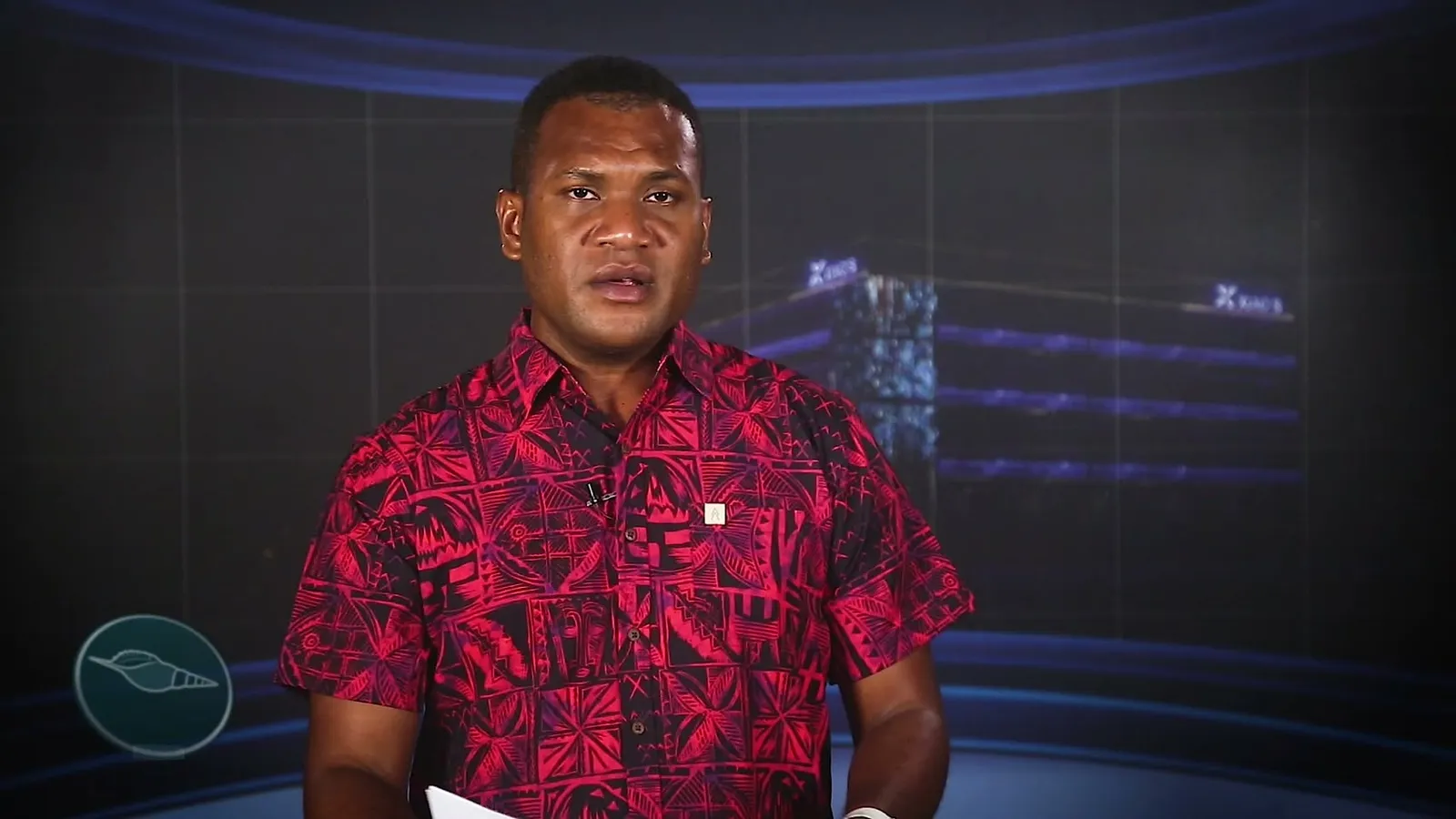
Simon Baete is sworn in as MALD Permanent Secretary, bringing 18 years of agriculture sector experience to the role. Simon Baete has been sworn in as the new Permanent Secretary for the Ministry of Agriculture and Livestock Development (MALD) during a ceremony at Government House today. He was sworn into office by the Governor-General, His [...]
The post Simon Baete Sworn in as Permanent Secretary for Ministry of Agriculture and Livestock Development appeared first on Tavuli News (Solomon Islands) .
The Royal Solomon Islands Police Force (RSIPF) Drone Support Unit (DSU) is bringing valuable operational experience and specialist skills back to Solomon Islands following deployments supporting major security operations in Palau and Tuvalu.
Supported through the RSIPF and Australian Federal Police Policing Partnership Program (RAPPP), the deployments gave RSIPF officers the opportunity to work alongside regional and international policing partners and apply their specialist drone skills in complex operational environments.
In August and September 2026, RSIPF DSU personnel deployed to Palau as part of the Pacific Policing Support Group (PPSG) for the 55th Pacific Islands Forum Leaders Meeting. Officers provided aerial surveillance and operational support, monitored key venues and helped strengthen security arrangements for visiting leaders and delegations.
The team also monitored drone activity, established live video streaming to the Police Operations Centre and worked with the Palau Bureau of Public Safety, PPSG command staff and United States Army counter-drone teams. The deployment received positive recognition from Palau and regional partners.
In October 2026, RSIPF DSU personnel deployed to Tuvalu in support of PPSG operations associated with PRE-COP31. The team conducted venue surveillance, security assessments and aerial monitoring, while also supporting communications and information sharing.
Working with Tuvalu Police and Tuvalu Aviation, the team provided live aerial footage to assist commanders and security planners. The deployment also gave RSIPF personnel further experience operating with regional partners during a major international event.
The Palau and Tuvalu deployments demonstrate the growing contribution RSIPF officers are making to regional security. They also provided practical experience that can be applied during major events, emergency responses, national security operations and other policing activities in Solomon Islands.
The success of the deployments reflects the professionalism and technical expertise of RSIPF officers. It also shows that Solomon Islands is increasingly contributing specialist policing skills and experience to security efforts across the Pacific.
BY JOHN HOUANIHAU
The Central Bank of Solomon Islands (CBSI), alongside key domestic stakeholders and international experts, has officially launched a comprehensive National Risk Assessment (NRA) and a national Anti-Money Laundering, Countering the Financing of Terrorism, and Countering Proliferation Financing (AML/CFT/CPF) Strategic Action Plan spanning 2026 to 2030.
Backed by the Asian Development Bank (ADB), the strategic initiative aims to fortify the nation against critical financial threats and ensure strict adherence to international compliance standards ahead of upcoming mutual evaluations.
Speaking to the media in an interview this week during the National Risk Assessment (NRA) National AML/CFT/CPF strategy workshop, Tom Ha’aute from the CBSI Financial Intelligence Unit (FIU), emphasised that the newly completed risk assessment builds on previous evaluations conducted in 2009 and 2017.
He said that the findings highlight critical risk zones that demand immediate resource allocation, robust legal reforms, and enhanced inter-agency coordination to mitigate future vulnerabilities.
Dr. Ramandeep Chhina, ADB consultant highlighted that while the country’s overall money laundering threat is rated high, with terrorism financing assessed as low and proliferation financing rated medium-low, specific sectors face heightened exposure.
“Six predicate offenses were identified as primary drivers of risk, including bribery and corruption, illegal logging, gold smuggling, fisheries exploitation, tax evasion, and cyber-enabled financial scams,” Chhina said.
“Within institutional frameworks, banking and money value transfer services, alongside non-financial sectors like casinos and precious metal dealers, exhibit the highest vulnerabilities. Furthermore, transparency regarding corporate beneficial ownership remains an area requiring targeted regulatory reform,” she added.
ADB contractor Darren Howells explained that the 2026–2030 roadmap relies heavily on a risk-based supervisory model to address these key vulnerabilities.
“By focusing resources on high-risk entities and producing actionable intelligence for law enforcement agencies such as the police and customs, authorities intend to make the Solomon Islands hostile to criminal networks while preserving a transparent, secure environment for legitimate business operations,” Howells said.
He said the newly unveiled AML/CFT/CPF strategy provides a definitive roadmap to close regulatory gaps, safeguard the national financial system, and bolster international trust in the country’s economic institutions over the next four years.
Photo credit: John Houanihau
For feedback, contact: jhouanihau24@gmail.com
Editor: irwin3angiki@gmail.com
BY JOHN HOUANIHAU
Compounding climate shocks, volatile global energy prices, and intense El Niño conditions pose an immediate threat to food security and economic stability across the Pacific, financial experts warned at a joint press conference in Honiara.
Speaking to media representatives, at the 3 rd Central Bank of Solomon Islands (CBSI), the Asian Development Bank (ADB), and the Asia-Pacific Applied Economics Association (APAEA), International Research Conference on Tuesday, October 27, in Honiara, ADB economist Dr. John Beirne stressed that Pacific economies remain highly susceptible to external shocks, ranging from geopolitical conflicts driving up energy costs to severe agricultural disruptions.
The one-day conference brought together regional central bankers and researchers to discuss structural vulnerabilities unique to small island developing states.
“Economies in the Pacific are highly vulnerable to shifts in global commodity prices,” Dr. Ben noted, emphasising that while comprehensive research takes time, advanced forecasting allows nations to implement pre-emptive fiscal planning and build long-term infrastructure resilience for water and energy sectors.
President Professor Paresh Narayan of Asia-Pacific Applied Economics Association (APAEA) drew specific attention to the severe dangers posed by El Niño on marine resources and agriculture.
“Because many Pacific nations rely heavily on these sectors for daily livelihoods and food security, climate-induced output reductions threaten to trigger broader health crises, intersecting directly with high rates of non-communicable diseases in the region,” he said.
Professor Narayan argued that monetary authorities cannot work in isolation.
“Addressing these overlapping crises requires a robust, whole-of-government approach where central banks coordinate closely with fiscal authorities, ministries of finance, and health departments to monitor price spikes and support vulnerable households,” he said.
He said that the ongoing partnership between ADB and APAEA focuses heavily on regional capacity building to bridge the gap between academic research and immediate policy implementation.
“Over the past decade, the initiative has collaborated with central banks across the Pacific including Vanuatu, Fiji, and Papua New Guinea, to train local economists and transition island nations from mere consumers of foreign studies into active producers of high-quality economic research.
“By publishing findings in international journals, these small island economies are successfully elevating their global visibility, ensuring that tailored regional perspectives are integrated into broader international monetary dialogues,” Prof. Narayan said.
Both speakers concluded that maintaining strong institutional collaboration, streamlining data availability, and accelerating policy responses will remain critical as Pacific central banks prepare for the next wave of global economic and environmental shocks.
Photo credit: John Houanihau
For feedback, contact: jhouanihau24@gmail.com
Editor: irwin3angiki@gmail.com
BY RODRICK DESURI
AUKI
A three-day Community-Based Resource Management (CBRM) training workshop held in Auki concluded successfully yesterday.
The workshop aims to equip provincial fisheries officers with skills to use the Check-in on Status Tool, a key monitoring tool designed to assess the progress and effectiveness of CBRM initiatives in local communities.
The training was organised and facilitated by WorldFish in Auki.
WorldFish analyst Meshach Sukulu acknowledged and thanked participants from various provinces for attending the training.
He said the training is significant to strengthen the participants’ capacity to carry out their roles in supporting community-based resource management in rural communities.
“On behalf of WorldFish, I would like to thank everyone for participating in the training,” he said.
“We’ve learned a lot about the Check-in on Status Tool and discussed how we can use it to monitor the progress and effectiveness of Community-Based Resource Management (CBRM) across our communities,” he said.
Sukulu said the real value of the tool will be realised when participants begin using it in their respective provinces to collect reliable information, better understand what was working, identify challenges faced by communities, and determine where additional support is needed.
He encouraged participants to continue practising their newly acquired skills and to support one another as they begin using the tool.
Sukulu emphasised that the tool is not only to collect data but is also to improve the implementation of CBRM initiatives.
“Please remember that this is not just about collecting data. It is about using the information to improve CBRM implementation and outcomes for our communities,” he said.
Photo credit: Rodrick Desuri
For feedback, contact: rodrickdesuri50@gmail.com
Editor: irwin3angiki@gmail.com
Australia is helping to strengthen the skills of local contractors and government officers to support the long-term delivery of quality infrastructure across Solomon Islands.
Project management and construction delivery training has been delivered to 33 contractors and officers from the Ministry of Infrastructure Development as part of Australia’s ongoing support to local infrastructure capacity.
The practical workshops focused on managing on-time and on-budget infrastructure delivery, including project planning, daily scheduling, quality management and procurement planning.
Australian High Commissioner Jeff Roach said building government and industry skills is an important part of Australia’s long-term support for better infrastructure in Solomon Islands.
“Good infrastructure needs people who are skilled at reducing costly rework on poorly managed construction projects,” High Commissioner Roach said.
“These workshops are helping contractors and Ministry staff build the skills they need to work together, solve problems early, and use public money cost-effectively.”
Local contractors taking part in a training session in Honiara to learn practical skills in planning and managing construction projects.
Participants worked through real project examples to apply new planning and management techniques to common challenges on infrastructure projects.
Ministry of Infrastructure Development Engineer, Mowisha Angiki, said the training provided the tools and awareness to work with local contractors.
“The training gave us simple tools that we can use straight away in our work. It was also good to hear from contractors and share ideas on how we can work better together and keep projects running smoothly,” Mr Angiki said.
Australia’s Solomon Islands Infrastructure Program has delivered skills development in Solomon Islands’ infrastructure sector to over 500 workers and government officials, leaving a lasting legacy of increased capability to support quality infrastructure development across the country.
Solomon Islands is already experiencing the effects of dry conditions, with communities in several provinces facing growing concerns over water shortages.
In Gizo, Western Province, the impacts are being felt on the ground as drought conditions affect water supplies. Scientists and weather experts warn that the El Niño event could continue to affect the country through February next year.
Watch Tavuli News_Current Affairs Program: https://youtu.be/tHaNLVsbGbo
Orobulu headlines 26-man lineup for Solomon Cup campaign
BY RICHARD MENANOPO
Guadalcanal Hornets have named their final 26-man squad for the 2026 Solomon Cup, with Ba FC striker John Orobulu included as a guest player for the provincial side.
The Guadalcanal Football Association (GFA) confirmed the squad in its latest announcement, alongside details of the team’s technical staff, management and training arrangements ahead of the national provincial competition.
Orobulu, who plays for Fiji’s Ba FC, is linked to East Central Guadalcanal through his personal association with the area, according to GFA representative Allan Tavuhana.
His potential eligibility is consistent with SIFF’s guest-player framework, which allows players competing overseas to feature for provincial teams.
SIFF chief executive officer Leonard Paia said Solomon Kings FC-contracted players would be ineligible because the club’s pre-season schedule overlaps with the Solomon Cup.
As Orobulu plays for Fiji’s Ba FC, that specific restriction will not appear to exclude him, although his eligibility remains subject to SIFF’s competition regulations and confirmation.
The forward’s inclusion adds experience to the Hornets’ attacking options as they prepare to challenge for the national title.
The final squad was selected following technical reviews and received endorsement from GFA management, according to the announcement.
The 26 players comprise of three goalkeepers, eight defenders, eight midfielders and seven forwards, including Orobulu.
The goalkeepers are Hussan Vato, Jeremui Hugh and Obry Tara.
The defenders are Lent Abua, Titus Waka, Kendrick Lighi, Mitchel Tetevoloa, Obed Redly, Jaron Sebala, Carlos Matebasi and Thomas Wafuni.
The midfielders are Julius Belande, Aubry Chuku, Richie Apania, Michael Lalo, Junior Albert, Loasa Vae, Paul Francis and Marlon Tahio.
The forwards are Lewis Soekeni, Johnson Ria, Junior Ovita, Junior Felix, Patrick Wau, Terrison Weni and Orobulu.
Meanwhile, Franco Ne’e, Freling Tovosia and Desmond Kanuto have been named to the technical team.
Joseph Sua has been appointed team manager, with MPA Jerold Musi as assistant team manager. Dr Chany Sabino will serve as team physiotherapist, while Allan Tarohania has been named media officer.
Willie Tara will serve as kit manager and Derwin Ovita as camp manager, with Dickson Maeke and Ketsy Seri providing logistics support.
The team’s training schedule lists sessions at Maranatha Sports Ground from 1pm to 4pm.
The 2026 Solomon Cup is scheduled to kick off on November 22 in Honiara, bringing together provincial teams competing for national honours.
The Hornets will be looking to build on their third-place finish at the 2025 Solomon Cup as they prepare for this year’s campaign.
For feedback, contact: mnorichard4@gmail.com
Editor: irwin3angiki@gmail.com
BY RODRICK DESURI
AUKI
The people of Ata’a, in northeast Malaita Province, are calling on health authorities at Kilu’ufi Hospital to urgently provide a nurse for their local clinic, which has been without a nurse for almost two weeks.
The call follows the transfer of the nurse previously serving at Ata’a Clinic to Ailali Clinic in Malaita Province.
Chairman of the Ata’a Clinic Committee, Michael Dongamalefo, said the community was concerned about the nurse who had been assigned to replace the previous staff member, claiming that the nurse had previously served at the clinic and had allegedly engaged in inappropriate behaviour.
Dongamalefo said the clinic committee had written a formal request to health authorities at Kilu’ufi Hospital but had yet to receive a response.
“Ata’a Rural Health Centre is now without a nurse for almost two weeks following the transfer of our nurse to Ailali Clinic,” he said.
“Our clinic committee has written a formal letter to the Director of Nursing for Malaita Province, requesting that a new nurse be appointed as soon as possible,” he added.
Dongamalefo said the community’s request was also driven by concerns about the conduct of the nurse assigned to the clinic, whom he said had previously worked there.
He alleged that the nurse had been involved in inappropriate behaviour, including the production and sale of kwaso, marijuana and other drugs within the community.
“This is why we do not want this nurse to serve at our clinic. We are requesting that another nurse be appointed,” Dongamalefo said.
He said the absence of a nurse was causing concern among community members and called for urgent action to restore health services at the clinic.
Dongamalefo appeals to the Director of Nursing for Malaita Province to consider the committee’s request and facilitate the appointment of a nurse without further delay.
“We humbly call on the Director of Nursing for Malaita Province to kindly facilitate the request we submitted to his office,” he said.
The community is awaiting a response from the health authorities as it seeks to restore nursing services at Ata’a Clinic.
For feedback, contact: rodrickdesuri50@gmail.com
Editor: irwin3angiki@gmail.com
PLEAS By CREWS DELAYED
Twenty crew members of MV Wealth could not enter their plea this morning - Thursday 29th October.
Full Report: https://www.solomonstarnews.com/mv-wealth-crew-pleas-adjourned-to-nov-6/
PLEAS By CREWS DELAYED
MV Wealth 的二十名船员在10月29日星期四上午未能提出认罪请求。
完整报告: https://www.solomonstarnews.com/mv-wealth-crew-pleas-adjourned-to-nov-6/
BY DOUGLAS VAHIA
A local copra farmer, Elvis is calling for urgent improvements on shipping services, pointing to rising freight costs and irregular schedules as major hurdles for agricultural producers in West Are’are, Malaita Province.
Elvis, a 45-year-old lifelong farmer from Hauhui village, manages a large multi-generational coconut plantation inherited from his family.
Although he operates an on-site copra dryer to process his harvest, he explained that the lack of basic working tools and unreliable maritime transport continues to hamper daily operations for those depending entirely on copra.
According to Elvis, shipping operators recently increased freight rates following a rise in market copra prices. Furthermore, vessel operators frequently prioritise passenger transport over agricultural cargo, leaving processed copra behind on wharves when space runs short.
This forces farmers to endure lengthy delays while waiting for subsequent vessels, placing severe financial strain on families relying on timely sales, Elvis said.
Despite these transport hurdles, Elvis acknowledged crucial assistance provided by the Commodities Export Marketing Authority (CEMA).
Elvis noted that CEMA’s ongoing distribution of copra bags and netting has enabled farmers to repair existing drying kilns, construct additional processing facilities, and maintain consistent production levels across the district.
Looking ahead, Elvis urges the national government to guarantee continued, long-term support for the official CEMA buying centre in Auki.
He emphasised that maintaining a reliable, fully operational buying hub is vital for local farmers to sell their yield, secure fair market prices, and sustain their long-term involvement in the country’s vital copra industry.
His concerns highlight the urgent need for dependable transport, practical equipment, and persistent government backing across Solomon Islands.
Photo: Supplied
For feedback, contact: diivee56@gmail.com
Editor: irwin3angiki@gmail.com
BY JOY OFASIA
UNDP Programme Specialist for Inclusive Governance and Economic Growth, Solomon Kalu highlighted that media plays a critical role in ensuring citizens have access to reliable information to make informed decisions.
Mr Kalu highlighted this in his speech during the one-day Media, Elections and Democratic Governance Dialogue held at the Heritage Park Hotel in Honiara.
He said the importance of a free, professional and responsible media in strengthening democracy, promoting accountability and building public trust in democratic institutions, particularly during elections.
The dialogue, held under the theme “Strengthening Public Trust, Accountability and Civic Participation,” brings together electoral management bodies, civil society representatives, emerging journalists and academia.
Kalu said elections are more than a democratic exercise, as they provide an opportunity for citizens to shape the future of their nation.
He also said the strength of democracy depends not only on how votes are cast, but also on how people access information, engage in dialogue and build trust in democratic institutions.
“A free, professional, and responsible media does more than report events media does more than report events. It informs citizens, amplifies diverse voices, promotes accountability, and helps societies navigate change with confidence and understanding,” Kalu said.
He also highlighted the growing influence of social media, noting that while digital platforms have created greater opportunities for people to connect and participate in public life, they also bring responsibilities around truth, integrity and responsible communication.
Kalu said the choices made by governments, media professionals, civil society and citizens would determine whether information becomes a force that divides communities or strengthens democracy.
He called for collective efforts to promote peaceful, credible and inclusive elections, alongside independent and responsible media and digital spaces that encourage informed dialogue, mutual respect and national unity.
He also said that journalists, citizens, leaders and institutions all have a role to play in protecting democratic values.
“Every journalist who verifies a fact, every citizen who chooses truth over rumour, every leader who upholds integrity, and every institution that defends democratic values contributes to a stronger and more resilient democracy,” he said.
The dialogue provides an opportunity for participants to discuss the relationship between media, elections and democratic governance, with a focus on strengthening public trust, accountability and civic participation in Solomon Islands.
The Naha Birthing and Urban Health Centre in Honiara has moved its patient records onto the DHIS2 digital system, with training from WHO and the Ministry of Health and Medical Services, WHO said on 29 October.
Many Pacific families move between traditional belief, Christian faith and Western medicine when seeking care, says a Fijian doctor, who sees the same in Solomon Islands. Health systems built on Western medicine alone miss that, she argues in a new paper.
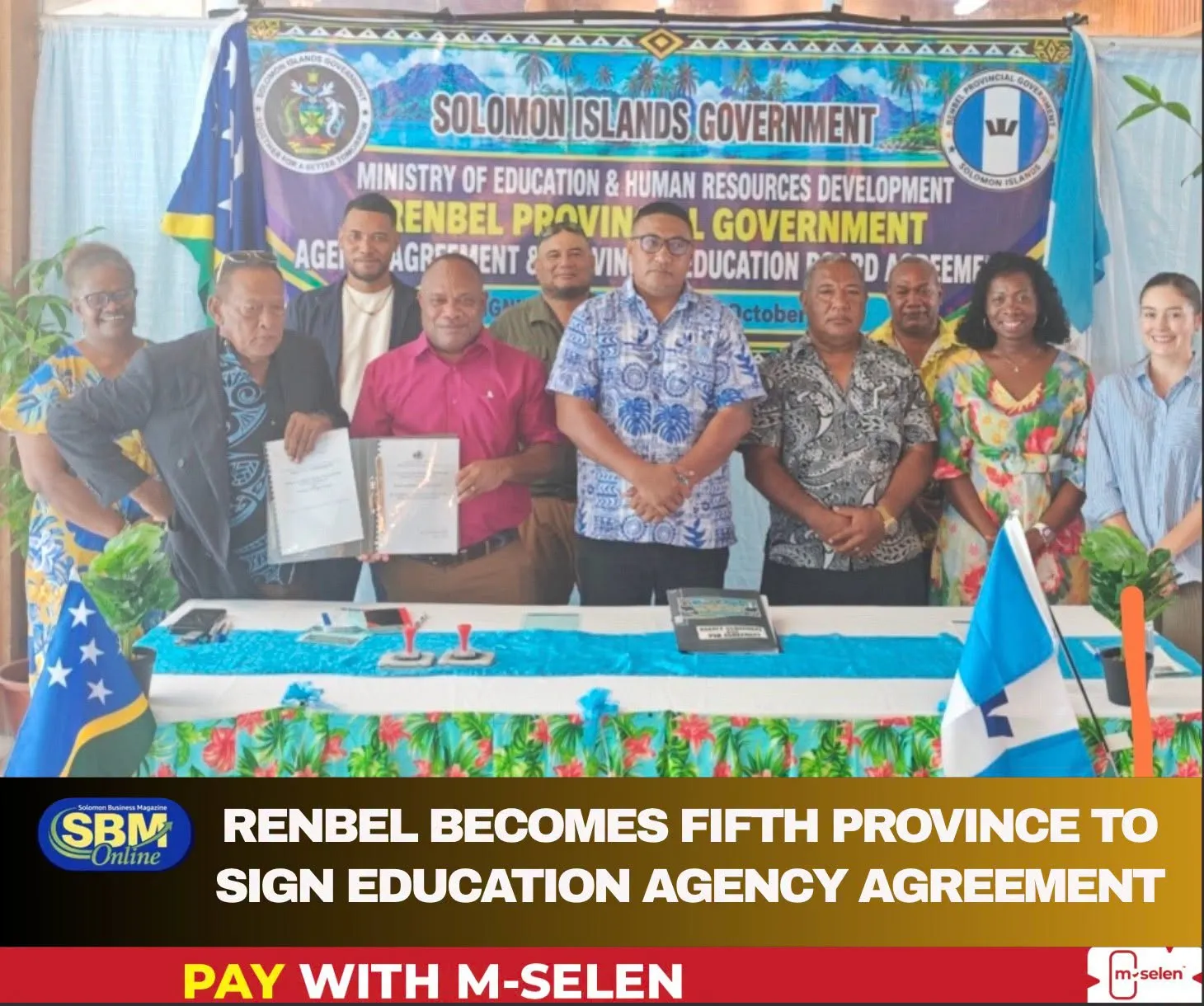
RENBEL BECOMES FIFTH PROVINCE TO SIGN EDUCATION AGENCY AGREEMENT
Honiara 28 October 2026 - Rennell and Bellona has become the fifth province to sign an Agency Agreement with the Ministry of Education and Human Resources Development (MEHRD), strengthening provincial responsibility for education delivery under the Education Act 2023.
The Hon. Minister of Education, Stephen Kumi, and Rennell and Bellona Premier, Hon. Erick T. Saueha, signed the agreement at Honiara Hotel this morning.
The agreement sets out how MEHRD and the Provincial Government will work together to deliver education services. The provincial Education Provider Office will manage provincial schools and early childhood education centres, support teachers, safeguard students and account for education grants. MEHRD's Education Coordination Office will provide policy guidance, regulatory oversight and technical support.
Signing is important because it clarifies provincial responsibilities and establishes arrangements for Ministry support, coordination and accountability. It provides a foundation for better school management and improved learning opportunities for children.
"The Ministry of Education remains your steadfast partner," Minister Kumi said.
He said MEHRD would second experienced national officers to support school operations and teacher management, with joint annual reviews to assess provincial capacity and identify additional support needs.
"These agreements lay the foundation for stronger education governance, improved school operations, and better learning outcomes for our children," he said.
The Minister also welcomed the establishment of the Rennell and Bellona Provincial Education Board to bring education stakeholders together and support provincial education priorities.
The signing was witnessed by MEHRD senior officials, the provincial delegation and development partners, including senior officials from Australia's Department of Foreign Affairs and Trade (DFAT), led by First Secretary Ami Bah, and New Zealand High Commission Second Secretary Sammy O'Hara.
Ms Bah and Ms O'Hara reaffirmed their governments' continued support for education in Solomon Islands through the Strongem Education Together (SET) and Vaka for Education programmes, respectively.
ENDS///
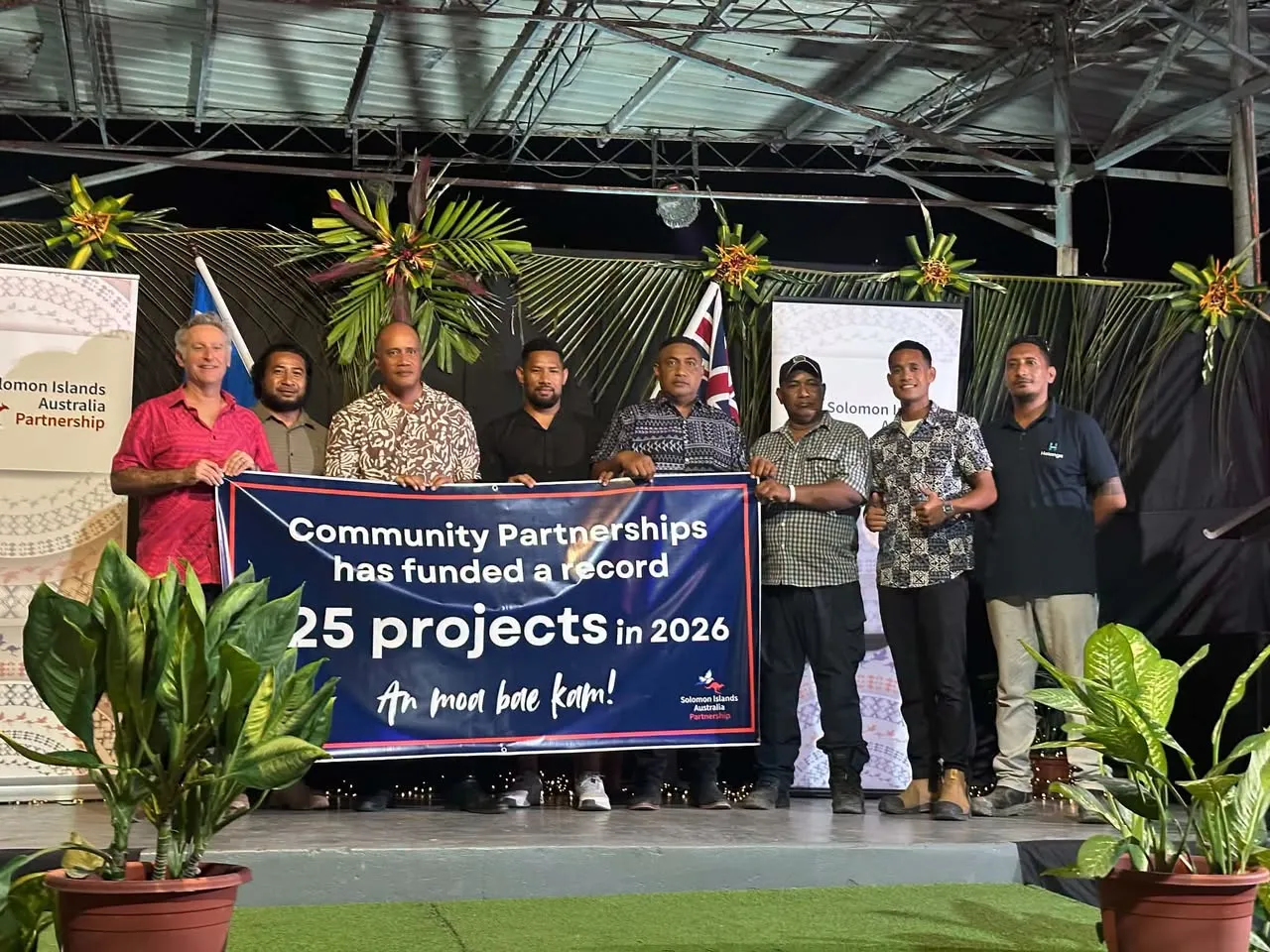
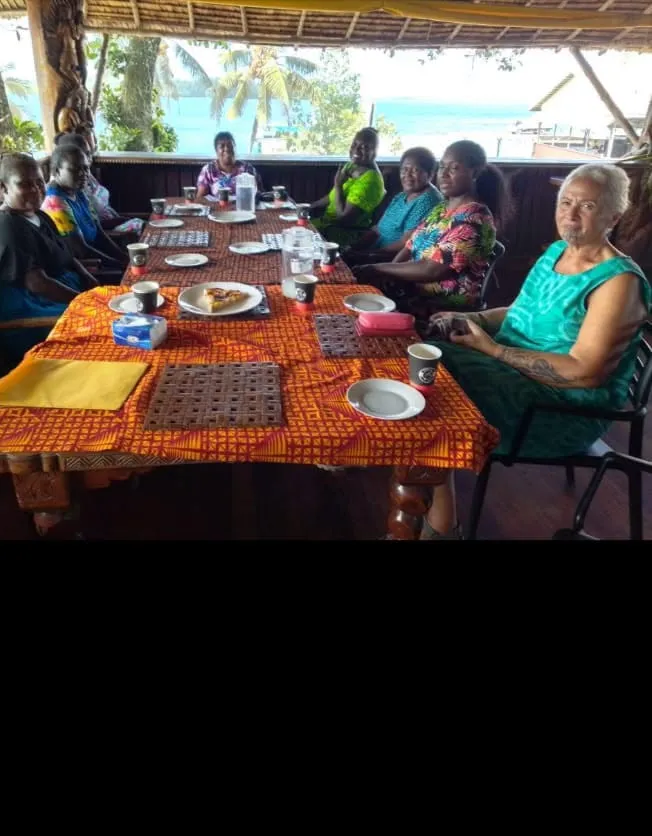
The Australian High Commission hosted the Solomon Islands-Australia Community Partnerships 2026 Awards Night on Wednesday, 28 October, at Paradise Hall, Pacific Crown Hotel.
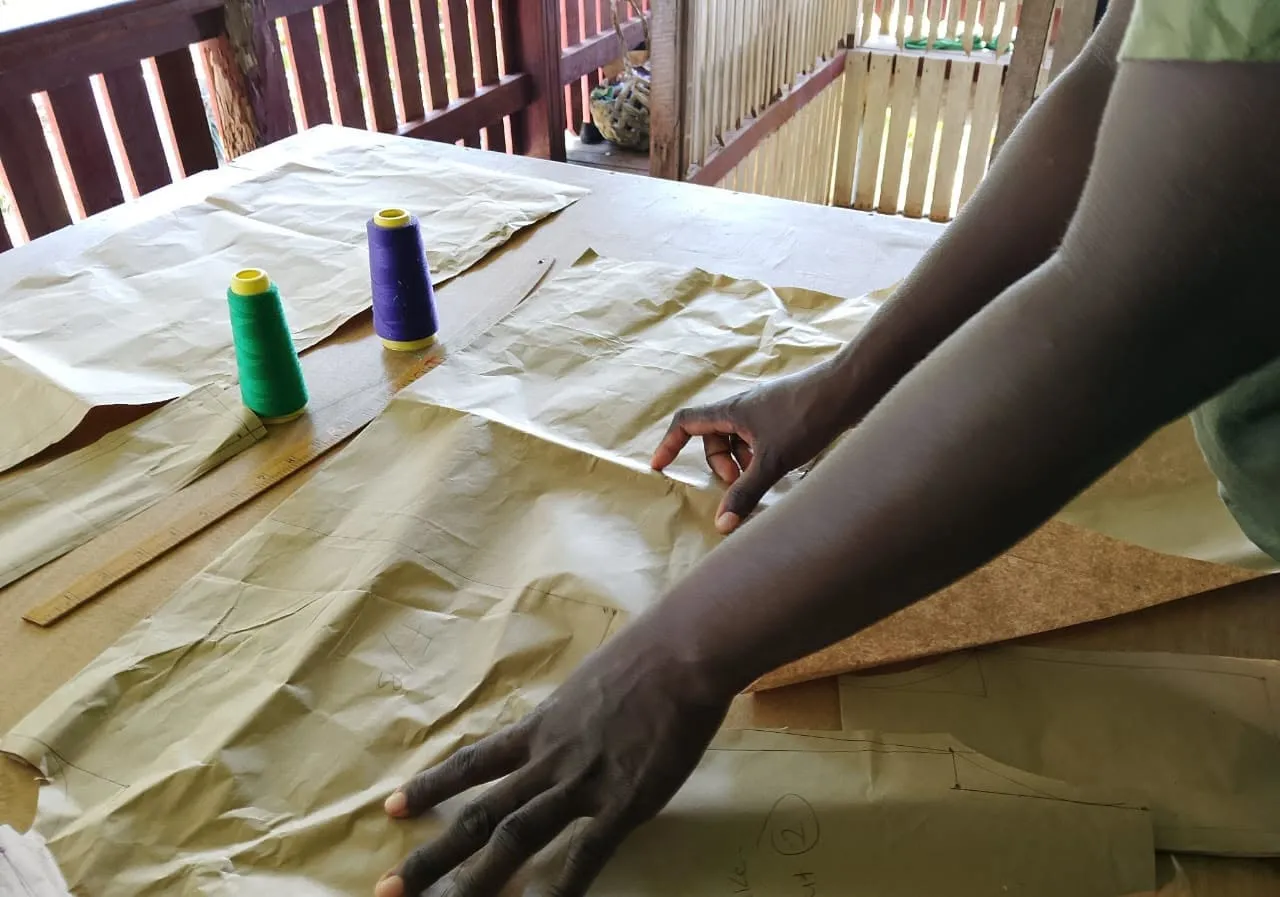
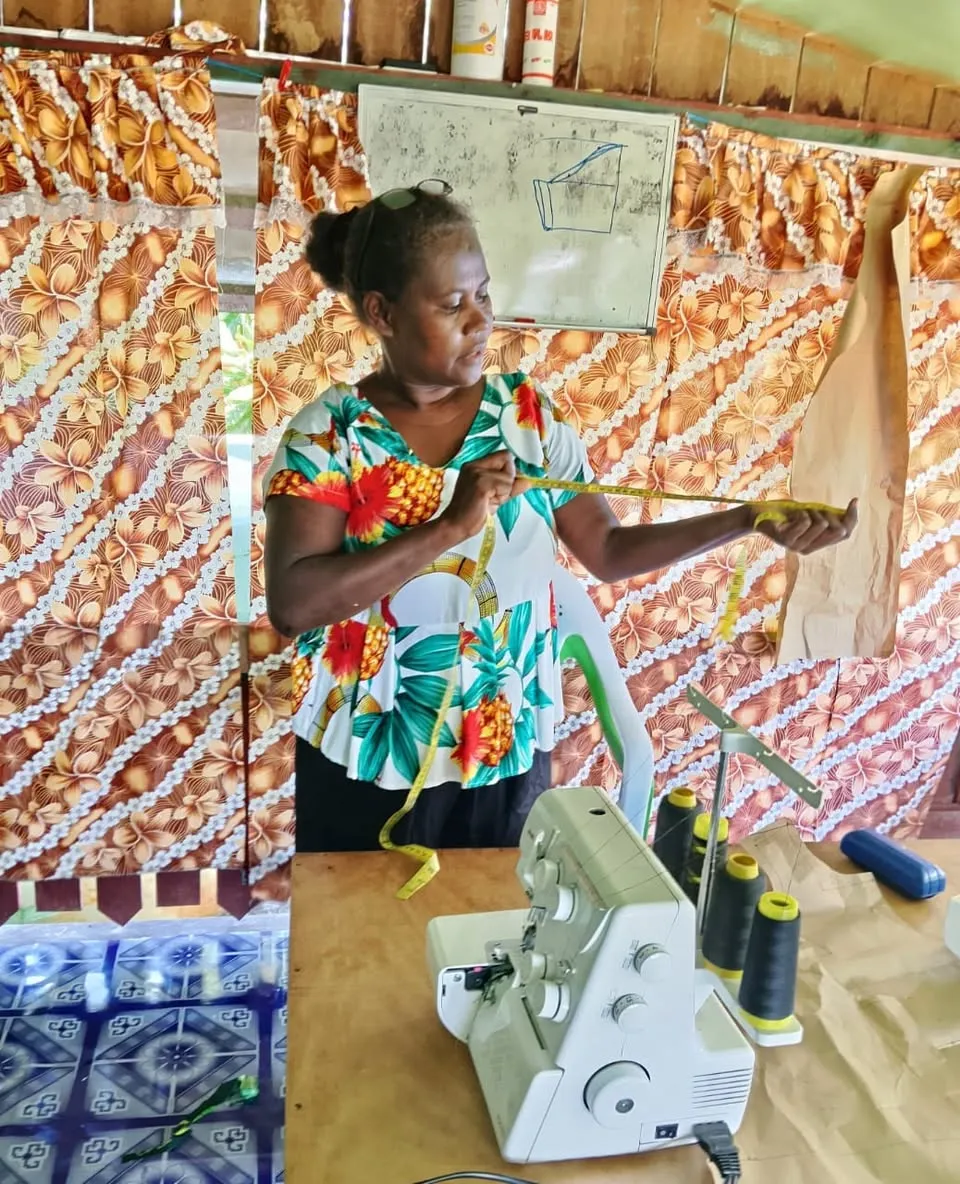
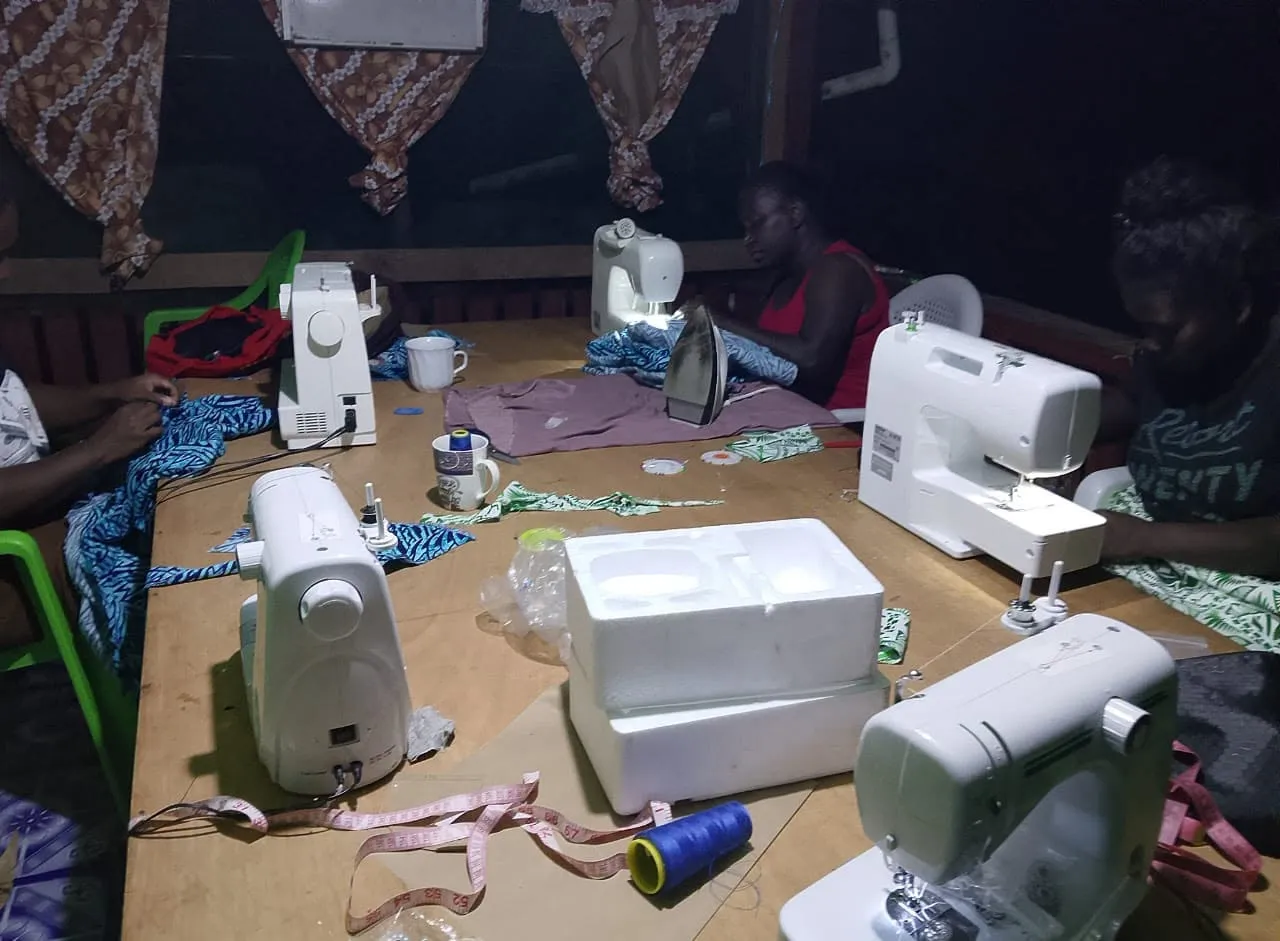
EMPOWERING WOMEN
THROUGH TAILORING
Several women in Gizo, Western Province, have completed a two-week basic sewing and drafting course.
Report: https://www.solomonstarnews.com/sewing-training-opens-income-opportunities-for-gizo-women/
Washington has revealed the first nuclear submarine that will deploy to Australia under the AUKUS agreement, five years after the $386 billion defence pact was signed. The USS Colorado, a 10-year-old Virginia-class submarine, will make its new home at Western Australia’s HMAS Stirling from late 2027, Defence Minister Richard Marles...
The post First AUKUS Nuclear Sub to be Sent to Australia revealed appeared first on In-depth Solomons .
Pacific climate experts warn of a potentially record-strength El Niño, with drought, marine heatwaves and cyclone risks into 2027. The warning comes from the official Regional Statement of the 19th Pacific Islands Climate and Ocean Forum (PICOF-19), held in Port Moresby, Papua New Guinea, on 20 and 21 October 2026. The statement was produced by [...]
The post Strong El Niño to Influence Rainfall, Temperatures and Cyclones into 2027 appeared first on Tavuli News (Solomon Islands) .
BY JOSES SAREN
Temotu Province wants the Melanesian Corridor Project to deliver practical support to remote islands, strengthen local capacity and protect marine resources as it begins work across Solomon Islands and Vanuatu.
The project aims to strengthen cooperation across Melanesia by supporting resilient communities, sustainable livelihoods and inclusive economic development.
Temotu Provincial Government Premier Stanley Tehiahua outlined the province’s priorities at the official launch of the Melanesian Corridor (MELCOR) Project in Port Vila, Vanuatu, on October 28, a press release from the Temotu Provincial Government said.
He said the four priorities of the project are; to reach outer islands and smaller communities, build local capacity that will remain after the project ends, strengthen ocean and environmental stewardship, and ensure that women, young people and traditional leaders are involved while local customs and values are respected.
Premier Tehiahua said Temotu’s scattered islands and distance from major service centres makes it important for the project to reach smaller communities, not just provincial centres.
“Temotu is the most remote province of Solomon Islands, with islands scattered across about 1,700 kilometres of ocean.
“A corridor connects what the sea has separated. The Melanesian Corridor recognises that our islands are linked, not isolated,” he said.
He also highlighted the importance of supporting Temotu’s Ocean Sanctuary and community rangers to protect the marine environment.
The Premier acknowledged that project resources are limited compared with the needs of island communities.
He said the province will use whatever funding allocation it receives to address its priorities and seek additional partners to expand the work.
“We see this as a great opportunity to elevate our efforts and to start from what we can do now,” he said.
Mr Tehiahua said the project’s objectives align with the Temotu Province Holistic Development Plan 2026–2040.
The MELCOR Project is funded by Global Affairs Canada and implemented by Cowater International. In Vanuatu, it works with the Department of Ocean and Maritime Affairs and Regenerative Vanua. In Solomon Islands, its partners include the Ministry of Provincial Government and Institutional Strengthening (MPGIS) and Greenergy Pacific.
The launch brought together government officials, development partners and community representatives in Port Vila.
Premier Tehiahua thanked the Government of Canada, Cowater International and the other partners, and reaffirmed Temotu’s readiness to work with Torba Province in Vanuatu and other partners on the initiative.
Photo credit: TPG
For feedback, contact: josessaren@gmail.com
Editor: irwin3angiki@gmail.com
BY JOSES SAREN
Construction of the Tina River Hydropower Project’s main dam has entered a new stage, with concrete placement underway and tunnel boring scheduled to begin in December.
A project update today from the Tina River Hydro project said that the first placement of roller-compacted concrete began on October 26, a dam elevation of 135 metres is targeted for the end of February 2027 and preparations are underway for tunnel boring on December 9.
As stated, the dam foundation is currently at an elevation of 115 metres and it will require 67 layers of concrete with each layer being 30 centimetres thick to reach the February target.
Excavation and stability issues on the dam’s right abutment were also identified and said to be addressed before construction can progress beyond the next planned stage.
Meanwhile, preparations are continuing for tunnel boring using the machine named ‘ROTIMA’. Its cutter head has been assembled and positioned inside the tunnel portal, while other components are still being assembled.
The tunnel segments are undergoing factory testing and are expected to arrive in Honiara by the end of November.
Tunnel boring is a key part of the project’s water conveyance system, which will carry water from the dam towards the powerhouse to generate electricity.
The 15-megawatt hydropower project intends to provide a renewable source of electricity for Honiara and reduce reliance on diesel-powered generation.
Photo credit: Tina River Hydro Project
For feedback, contact: josessaren@gmail.com
Editor: irwin3angiki@gmail.com